What has made Dortmund rich to this day: Bike tour incl. drink What has made Dortmund rich to this day: bike tour incl. drink
ID: GYG951215-1481137
Category:
Country: Germany
Duration:
03:00 hours
Description
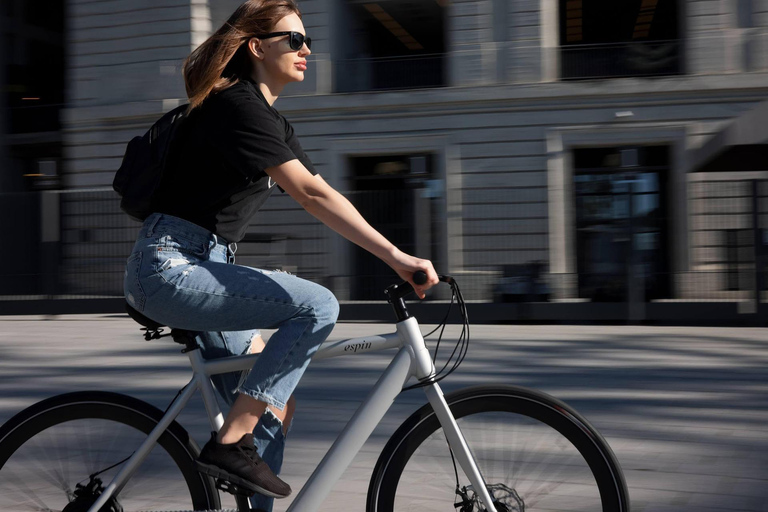
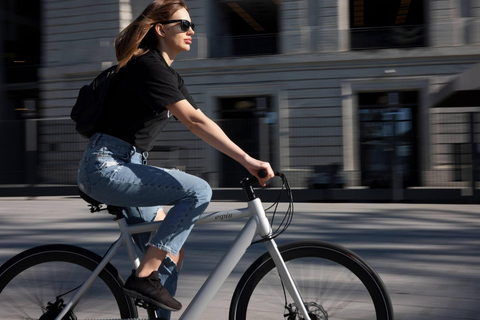
Be inspired by Dortmund's creative business spirit on this cycle tour. Experience why Dortmund was a rich city. Enjoy a history lesson and a drink included.
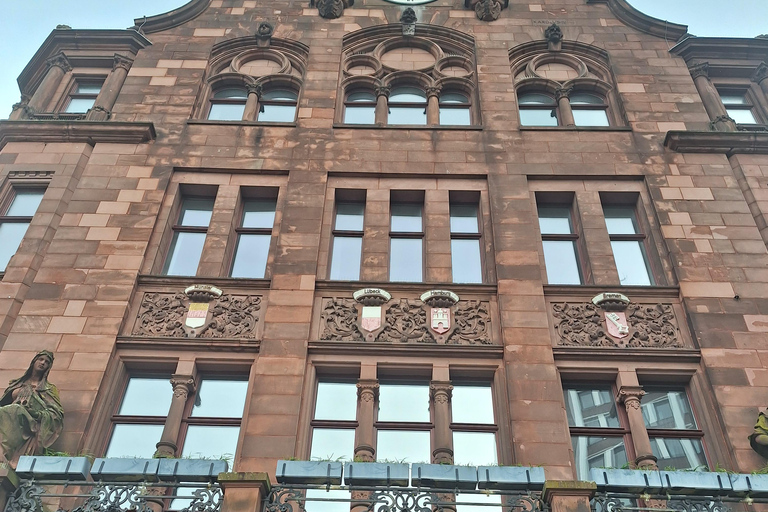
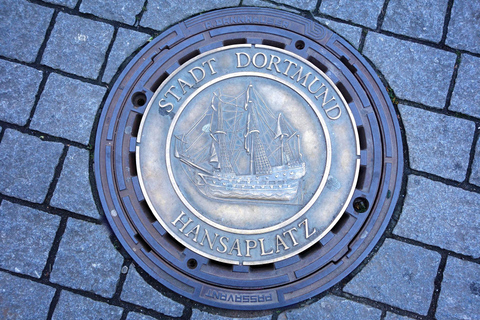
We start our cycle tour on the 3000-year-old Westenhellweg, which was a trade route from the Meuse to the Memel and was also used for salt production. We then cycle to the Freistuhl, which has appeared in Dortmund's historical sources for 1000 years. From here we take Hansastrasse to the KrügerPassage, where stock exchange activities and many events took place until 1943.
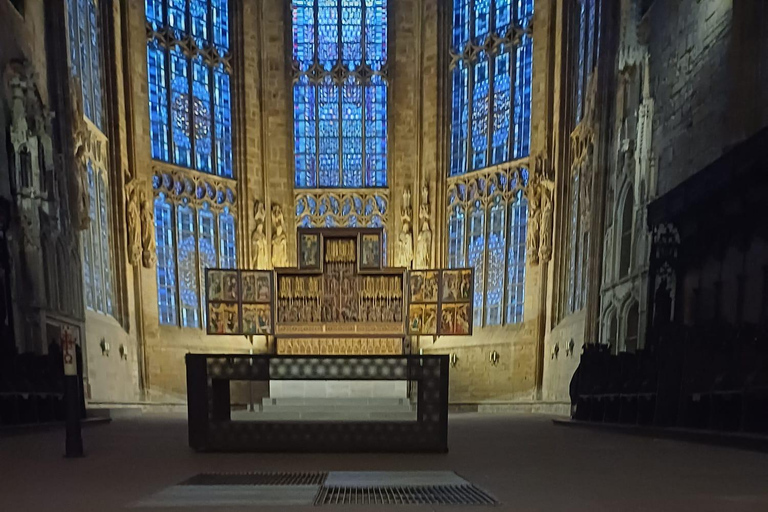
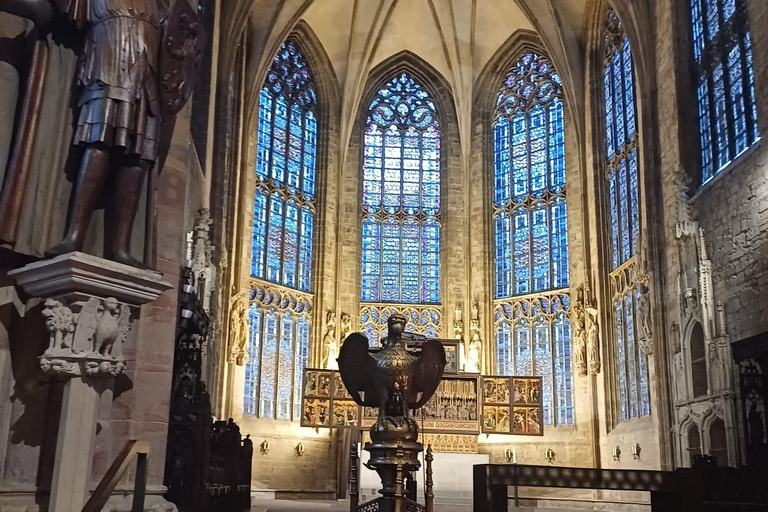
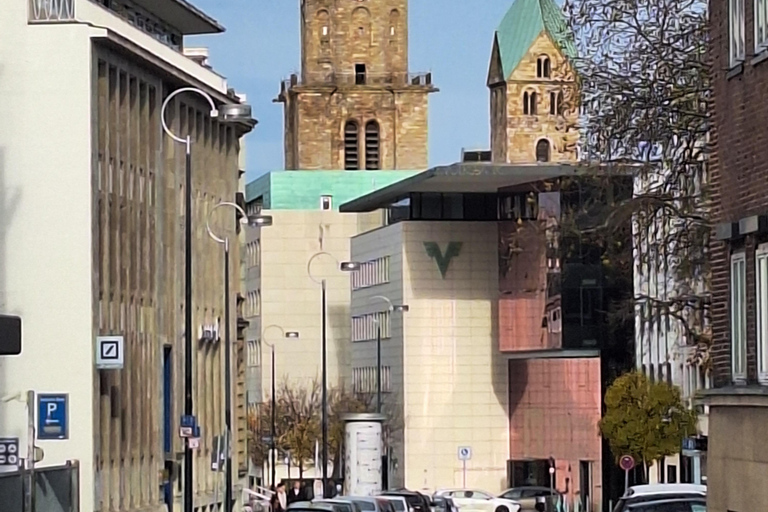
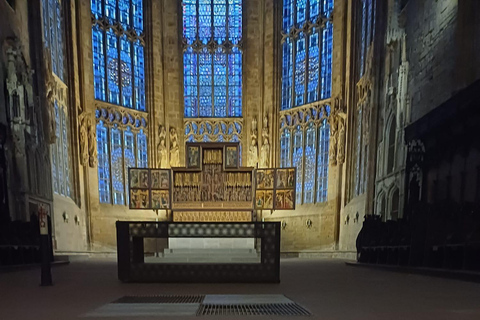
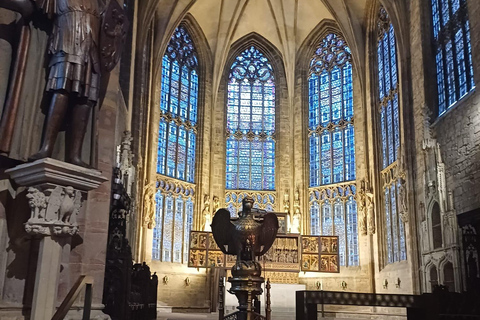
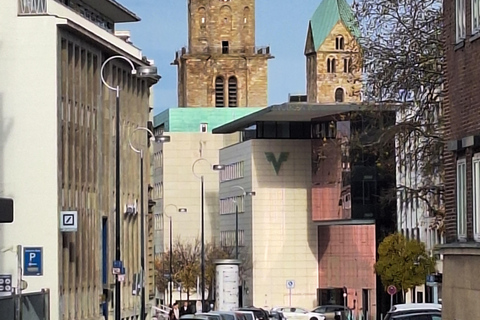
Via Kampstrasse, we circle the venerable Protestant St. Reinoldi Church. Here you can not only hear a lot about Dortmund's financial and commercial history, you can see it. The beginnings of the bridge district ahead of us date back to the time of Charlemagne (768-814). Only the names of the nearby royal court, the Burgtor, have been preserved. We read the place name Gnadenort. An older name from 1610 is "Quaden Ort" or "Quaemort". This means something like "evil, swampy, gloomy, bad place".
As early as the 9th century, Brückstraße was the main traffic route for Dortmund due to its convenient location as a crossroads between the Hellweg and a major north-south trade route. The street market previously held there was moved to the market square on Trisselgasse, now known as Alter Markt, due to lack of space. Dortmund was confronted with the problem that all roads were often under water and "bridges" and beams were laid to allow the traders' carts to pass. The Balkenstrasse was first mentioned by name in 1342 as "Lohus (Lohhaus) subter Trabes" (under the beams), and at the end of the 14th century the name "Gruetstrate" was also used alongside the name "Balkenstrate". This name was derived from the Grüttehaus, the council brewery opposite. The Balkenstraße used to be a log dam for the merchants' carts, hence the name Balkenstraße. After all, Dortmund's name means "Throtmanni": settlement by the gurgling waters.
Our first tour ends at the old market on Trisselgasse: cheating during market trading was visibly outlawed here:
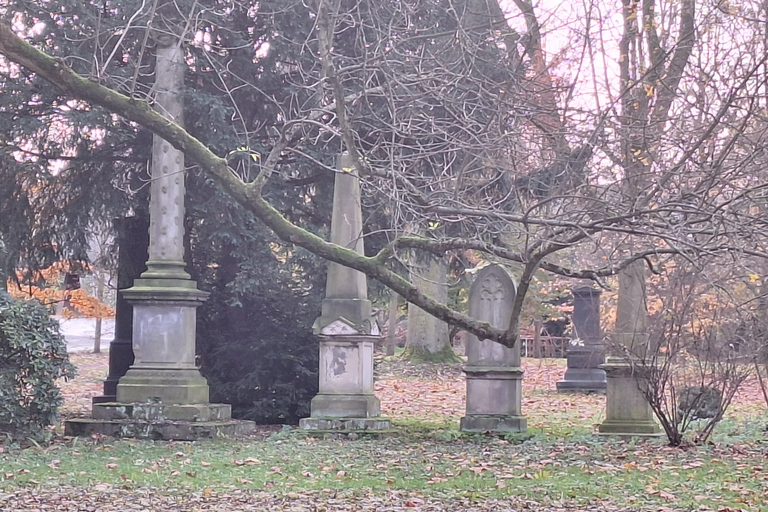
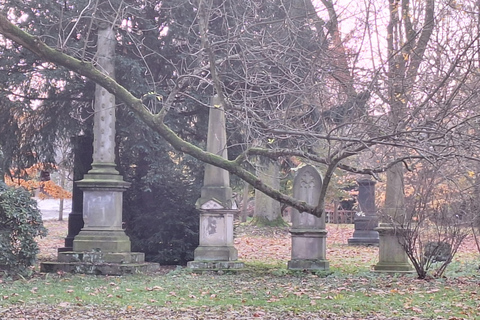
The cheating market trader was "trisselized", i.e. placed in a visible cage, the trissel. From here we cycle to the Ostfriedhof cemetery where successful Dortmund businessmen were buried. Individual graves are discussed.
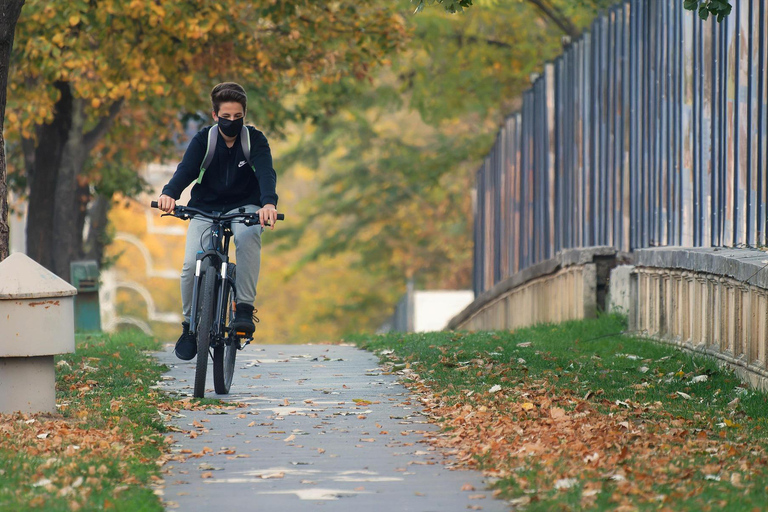
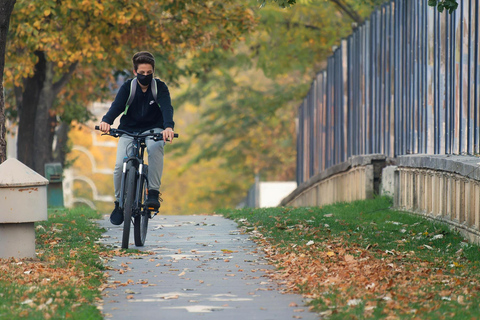
We then turn our attention to current and modern business buildings in Dortmund by cycling down the B1, Germany's busiest main road, to the Unicampus. Here we admire the latest technology companies that are attracting worldwide attention. We cycle back to the starting point of our tour at the Freistuhl opposite Dortmund Central Station via the well-developed cycle paths.
Highlights
- Find out why Dortmund is called the beer city
- See the secret of what makes Dortmund so attractive as a rich city
- Admire Dortmund's beauty from your bike
Guiding languages
IMPORTANT INFORMATION
This tour includes a 3-hour bike ride, so a medium fitness level is required.
Stairs on the street corner
INCLUDED
- Historical city tour
- Optional museum visit in case of rain
- 1 beer or 1 Dortmund snack e.g. bratwurst
When should I book?
To guarantee availability book as soon as possible. Early booking is worth consideration especially if you planning the trip during high season like public holidays or weekends.
Cancellations
This excursion you can cancel with no cost up to 24 hours before the start of the trip. If you cancel it after 24 hours or not show up on the excursion you will still be charged the full price of the activity. Being late on pick-up or departure will be considered as not showing up.