São Paulo Historical City Highlights - Half-day Walking Tour
ID: GYG1284811-1965110
Catégorie:
Pays: Brésil
Durée du projet:
04:00 horaires
Description
Learn how São Paulo evolved from a small village in the hills into the biggest metropolitan area South of the Equator., growing over hundred times in hundred years!
For over three centuries, São Paulo was a small and irrelevant village in the hills, far from the Brazilian shore. Due to a combination of political, economical, technological and human development, starting at the end of the nineteenth century, Sâo Paulo grew into being the biggest metropolitan area in the Southern Hemisphere. This hundredfold increase in population over such a short time produced many consequences. This tour through the historical city center allows you to understand this astonishing transformation while visiting a selecion of the most important historical landmarks, all inside or very near to the original historic are of the city.
ITINERARY
Starting Point
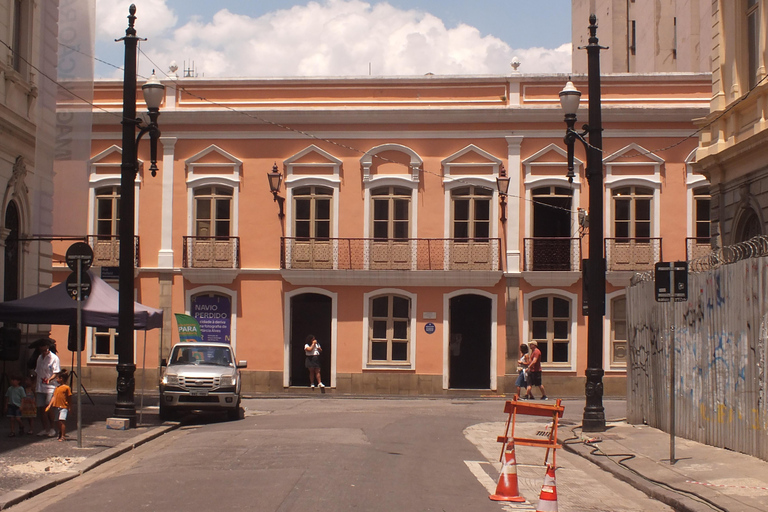
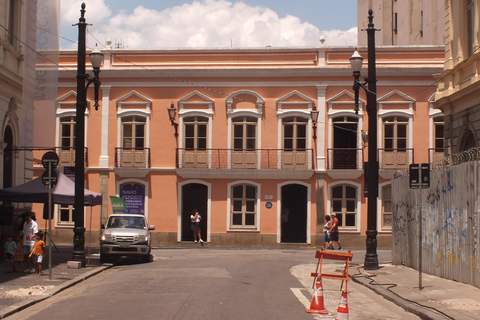
Solar da Marquesa da Santos
Solar da Marquesa de Santos is a stunning 18th‑century mansion, with elegant rooms, colonial architecture, and captivating stories of Domitila de Castro, the famous lover of Brazil's first Emperor.
Pátio do Colégio
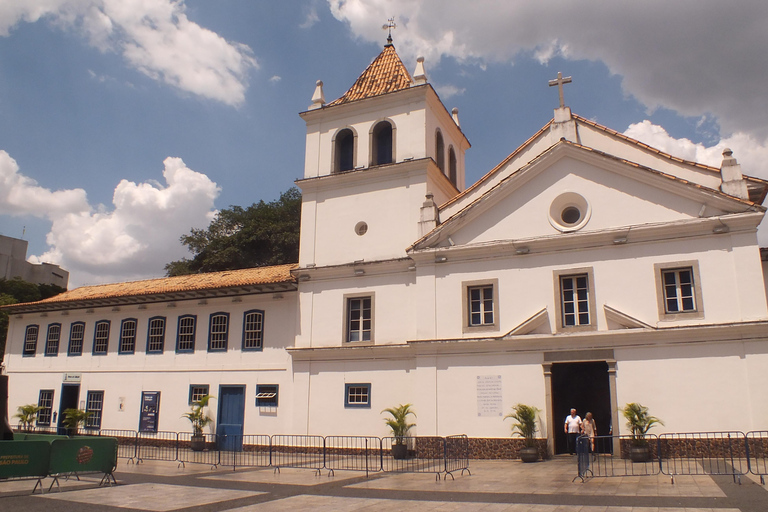
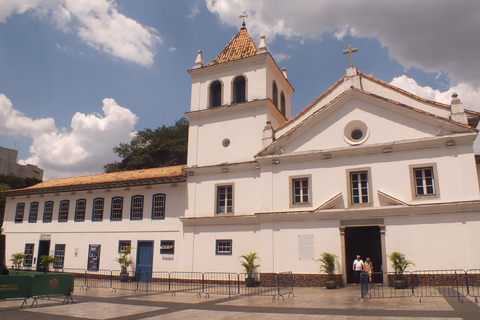
The birthplace of São Paulo, where Jesuit priests founded the city in 1554. See the oldest fragments of the historic walls and appreciate the many transformations that reveal centuries of culture, connecting Brazil’s past with its vibrant present.
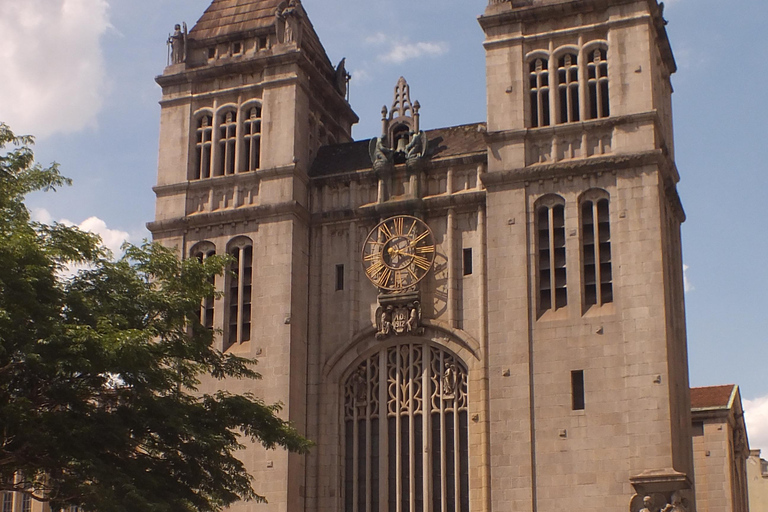
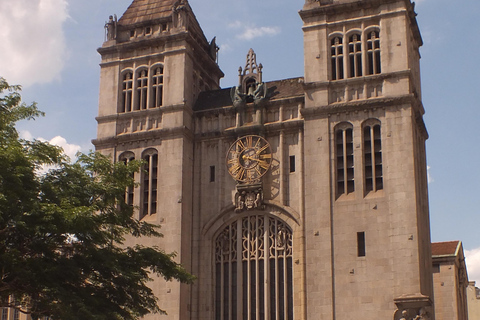
Monastério de São Bento
São Bento Monastery is a spiritual and architectural jewel. Founded in 1598, it was rebuilt by 1912. Appreciate its highly decorated interior, sacred art and unique altar, able to accomodate eighty monks, as well as the bread and pastries shop produced by the monks.
Viaduto Santa Ifigênia
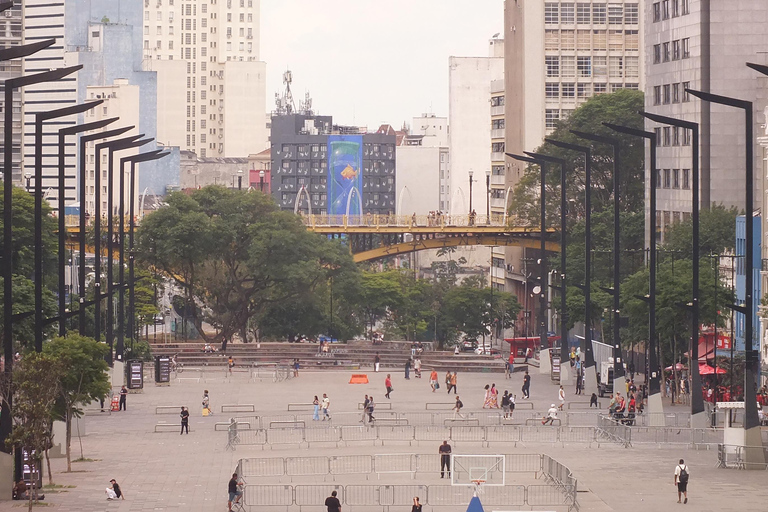
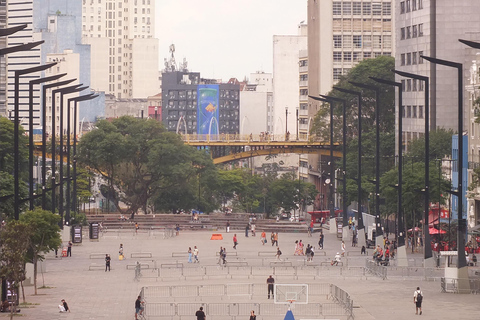
This ironic bridge, built at the end of the nineteenth century using the same technique as the Eiffel Tower, allows for sightseeing of the Vale do Anhangabau (valley).
Edificio Martinelli
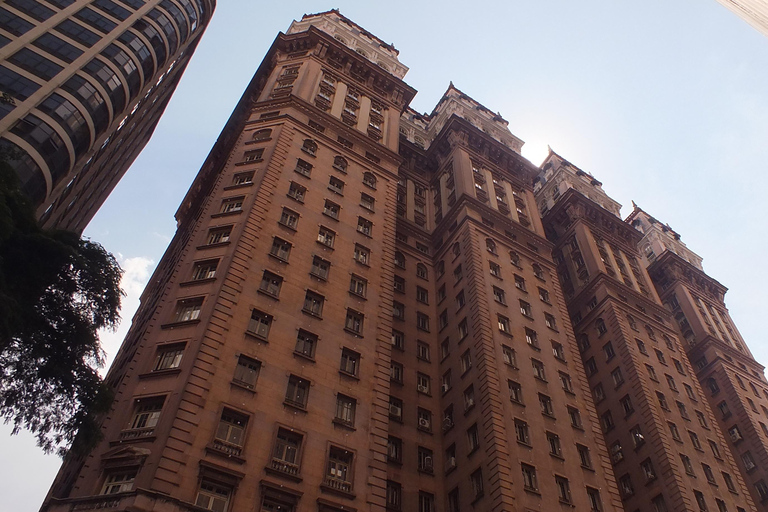
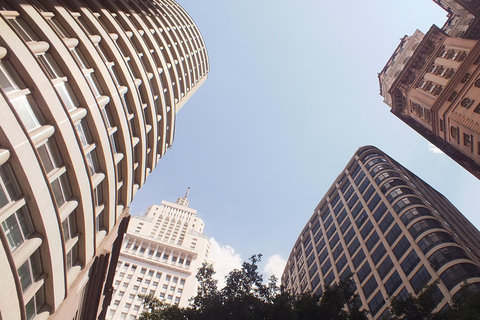
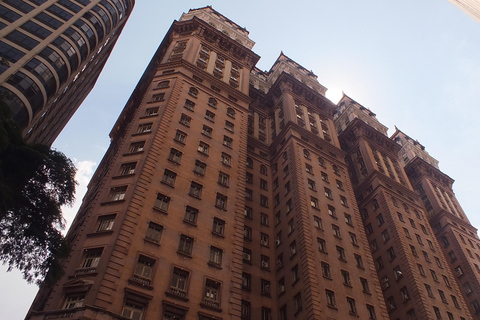
Operating as an office building since 1924 (older than the Empire State in New York), this building was for many years the highest skyscraper in South America. It's size is still impressive for modern times!
Centro Cultural Banco do Brasil
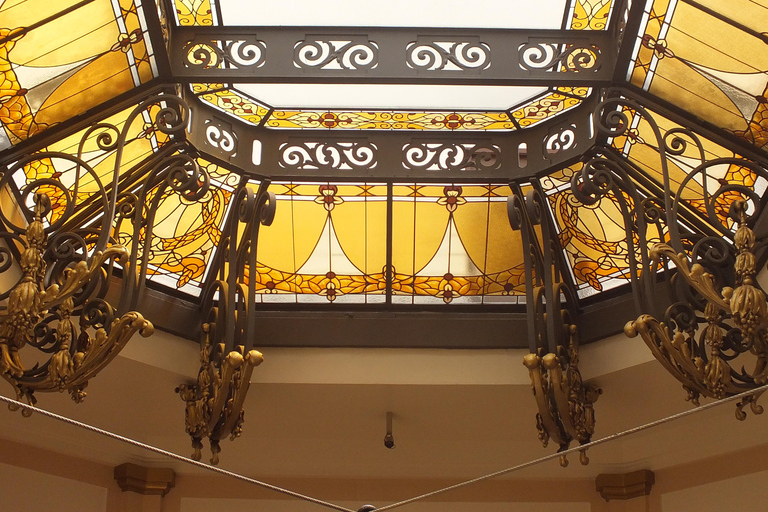
The oldest building of what was once São Paulo's financial district opened 1901 and was built in French style. Currently used as a cultural center, with a rich interior.
Caixa Cultural
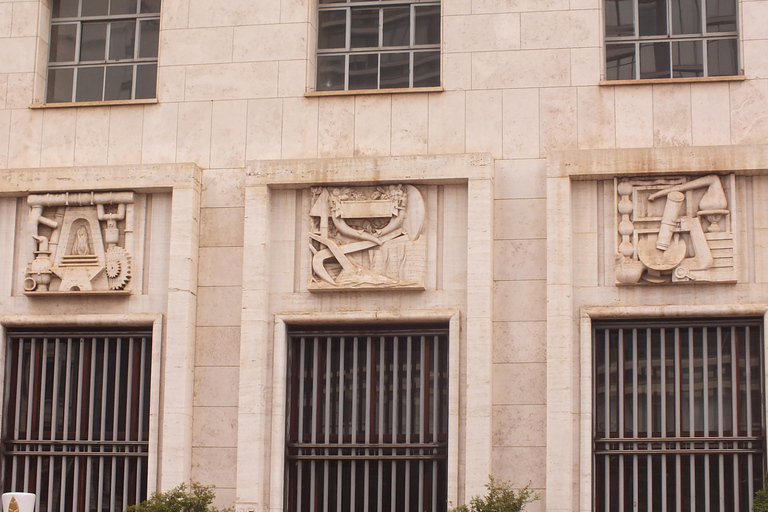
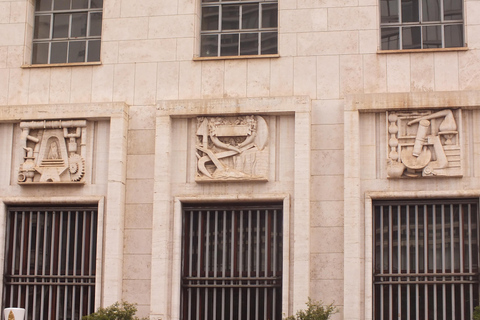
This Greek temple like building opened 1937, and is now also used as a cultural center. On its sixth-floor, a very interesting museum depicts the financial history of São Paulo.
Catedral da Sé
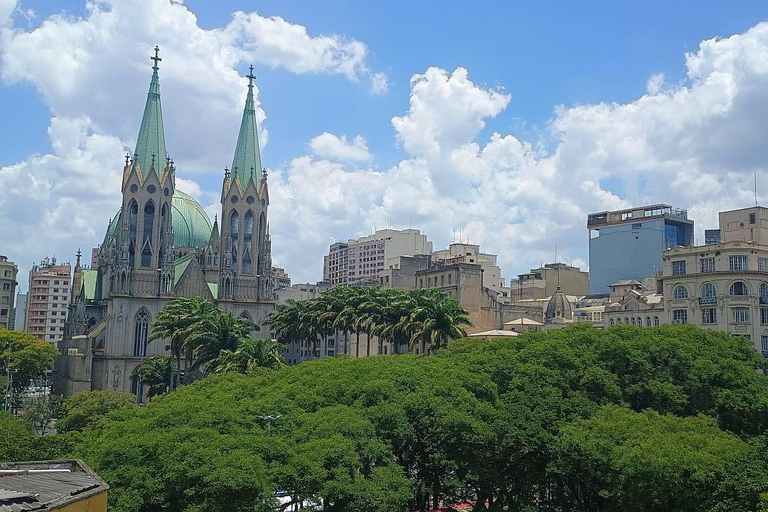
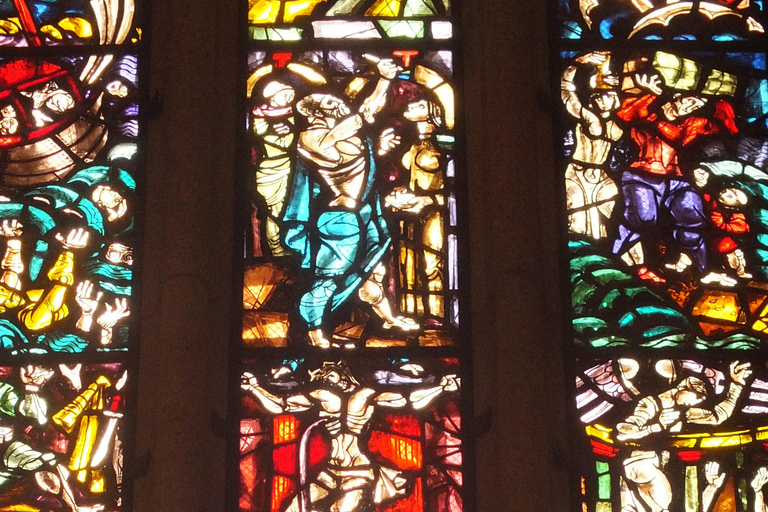
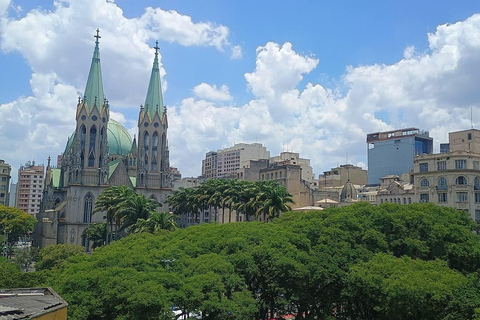
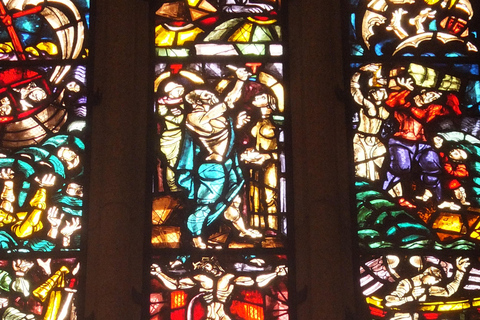
The majestic São Paulo’s neo-Gothic cathedral is a masterpiece and the spiritual heart of the city. Its soaring towers and intricate stained glasses create an atmosphere of awe.
Edificio Matarazzo
São Paulo’s iconic City Hall, a symbol of Italian heritage, was built in the 1930s as the home to the Matarazzo family’s industrial empire, which lasted until the late 1970s.
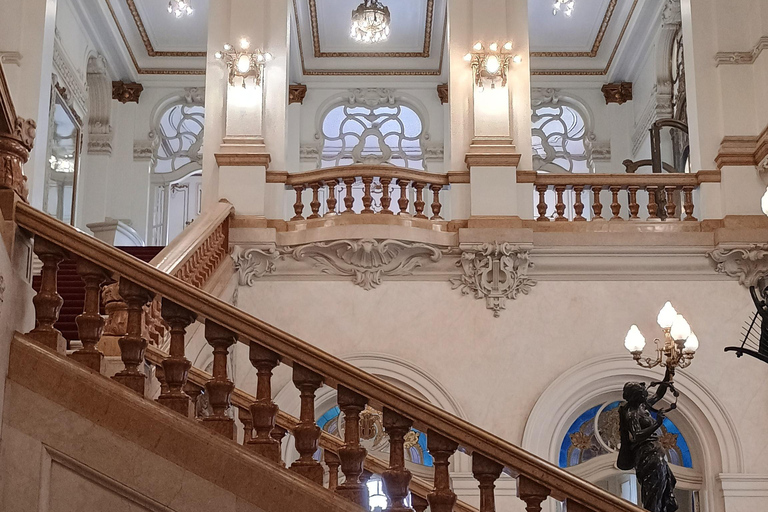
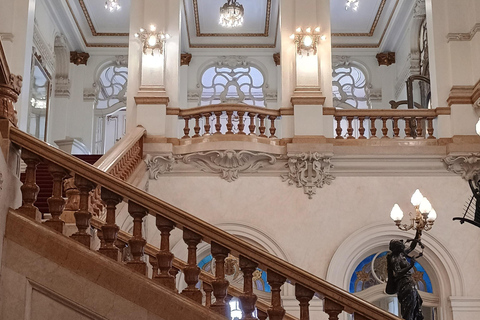
Teatro Municipal
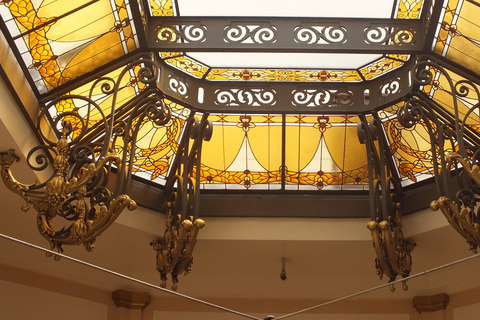
São Paulo's opera house opened 1911, its ornate architecture and lavish interiors host world-class opera, ballet, and concerts. A cultural treasure in the city’s heart, it invites you to experience the grandeur of Brazil’s artistic stage.
Faits saillants
- Learn about São Paulo and Brazil's history
- Appreciate how architecture evolved acrosse the centuries
- Understand the virtues and problems of rapid growth of the city
Langues
INCLUS
- Guide fee
- An unforgettable dive into São Paulo’s history
- All buildings on this itinerary are free to enter (if open at time of arrival)
NON INCLUS
- Food & beverages
- Transportation to starting point and from ending point
- Eventual purchases you do
Quand dois-je réserver ?
Garantir la disponibilité du livre dans les plus brefs délais. Les réservations anticipées valent la peine d'être prises en considération, surtout si vous planifiez le voyage en haute saison, comme les jours fériés ou les fins de semaine.
Annulations
Cette excursion peut être annulée sans frais jusqu'à : heures d'annulation avant le début du voyage. Si vous l'annulez après les heures d'annulation ou si vous ne vous présentez pas à l'excursion, le prix total de l'activité vous sera toujours facturé. Tout retard à la prise en charge ou au départ sera considéré comme un retard.