Ocotlán and San Antonino: Hands That See Workshop and Art with The Immortal Flower Ocotlán and San Antonino: Hands That See Workshop and Art with La Flor Inmortal
ID: GYG1210718-1858241
Catégorie:
Pays: Mexique
Durée du projet:
10:00 horaires
Description
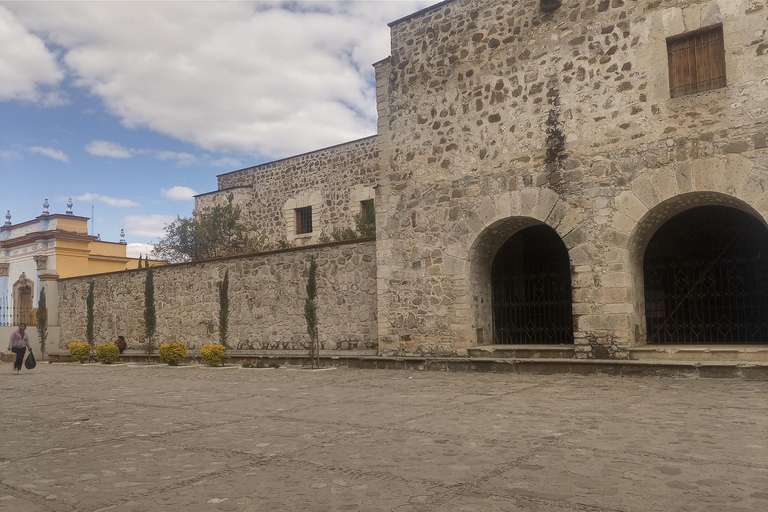
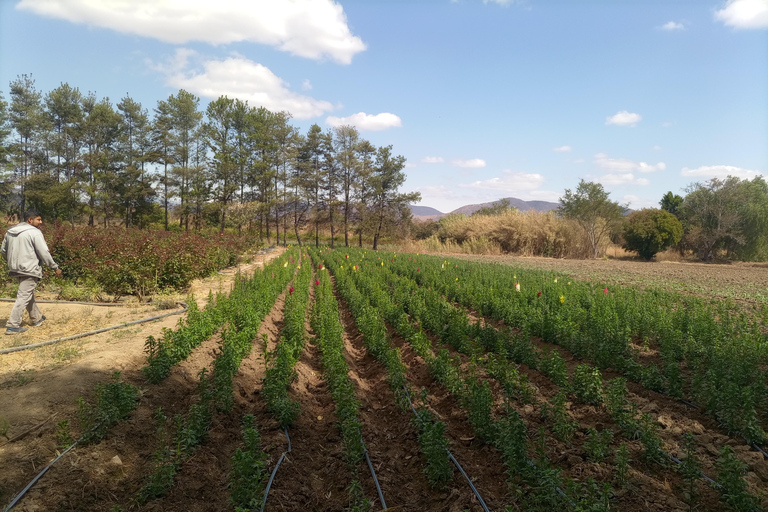
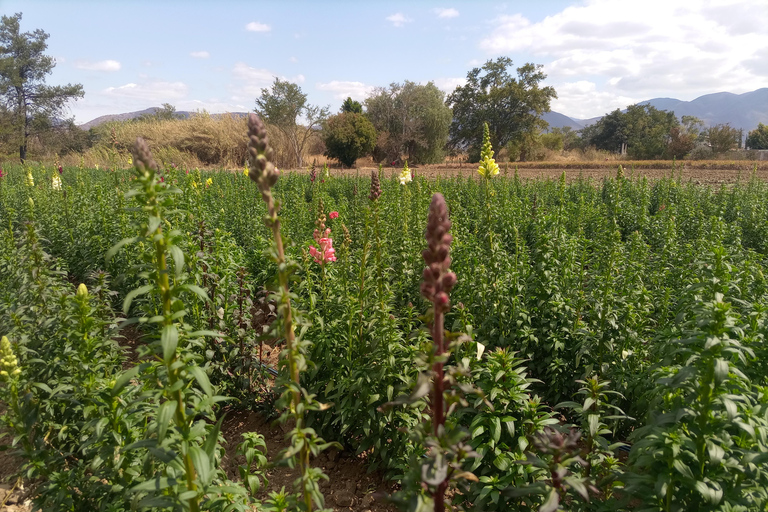
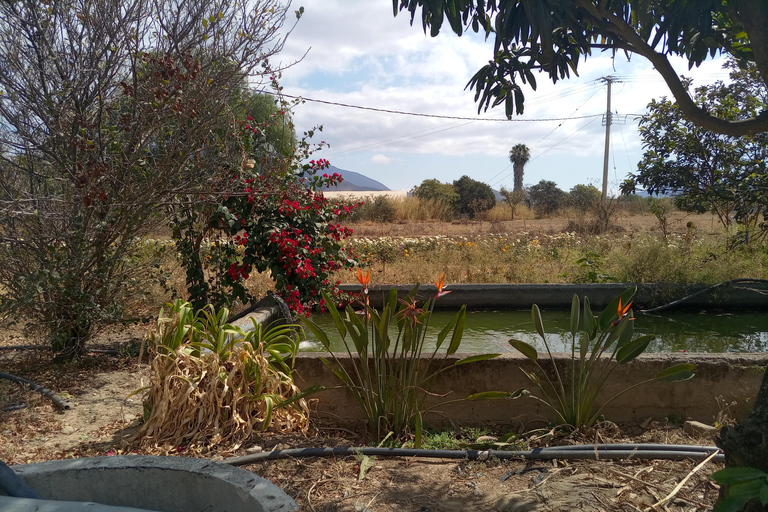
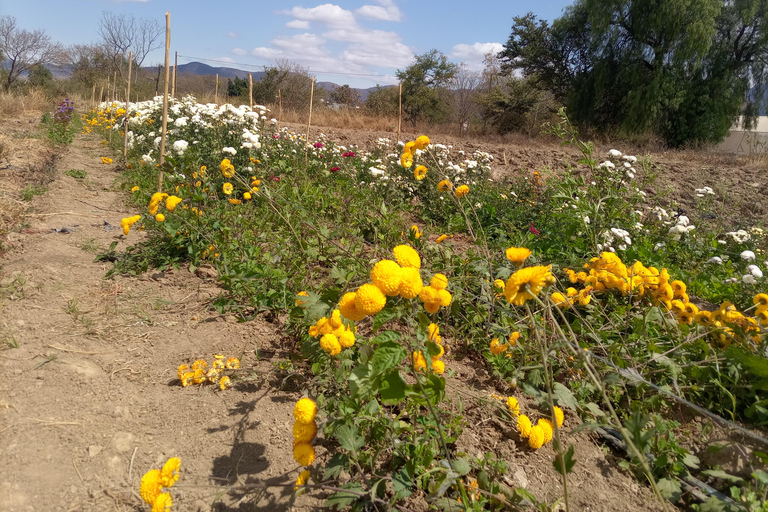
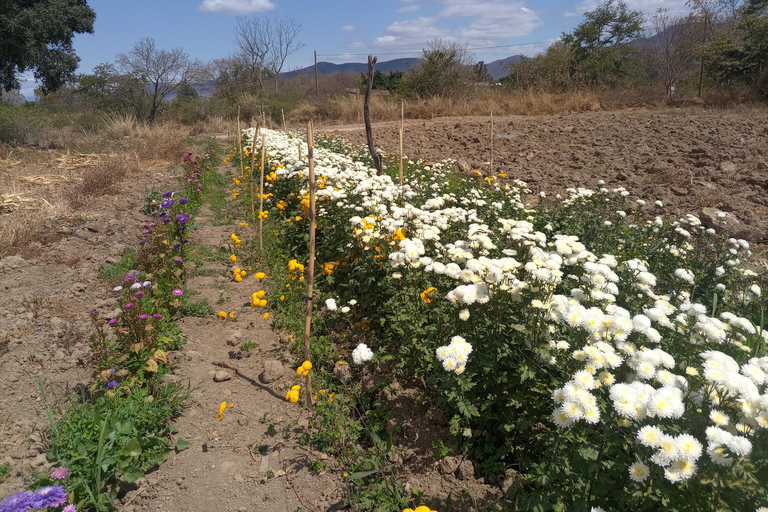
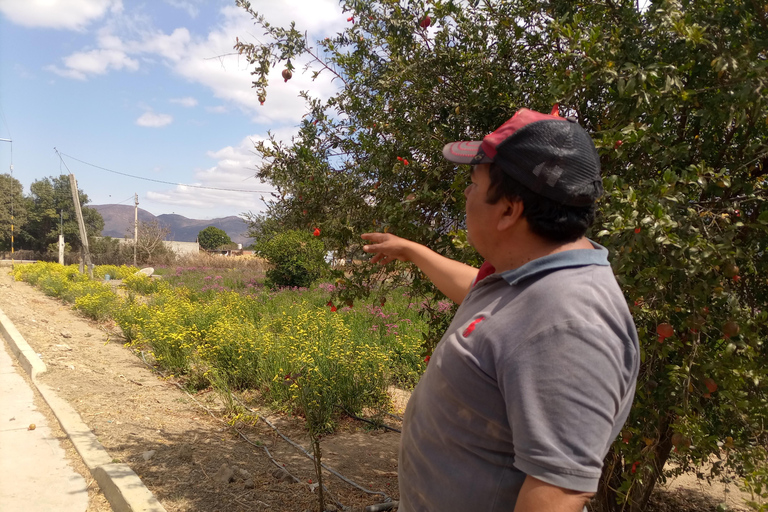
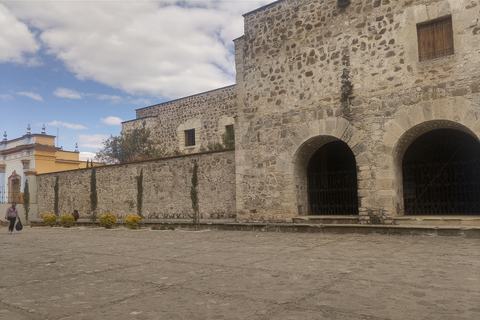
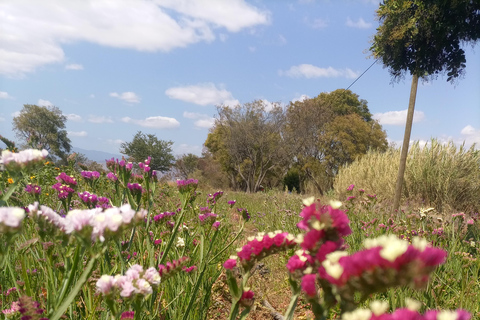
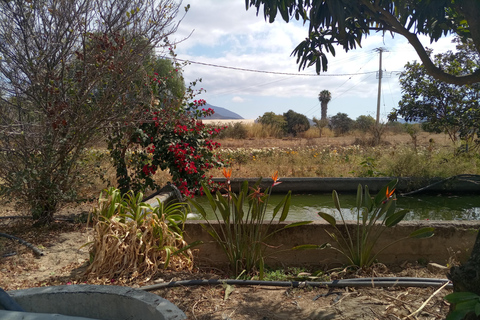
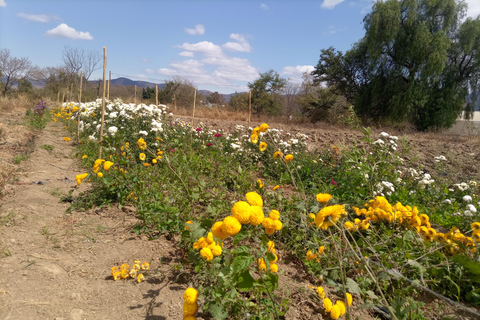
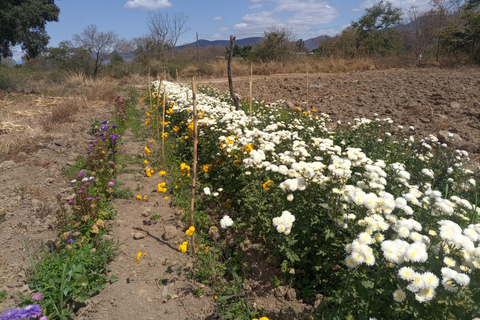
They're two treasures of the Central Valleys: Ocotlán, famous for its plaza day and its tradition, and San Antonino Castillo Velasco, the "Land of Flowers," recognized for its embroidery and the Immortal Flower.
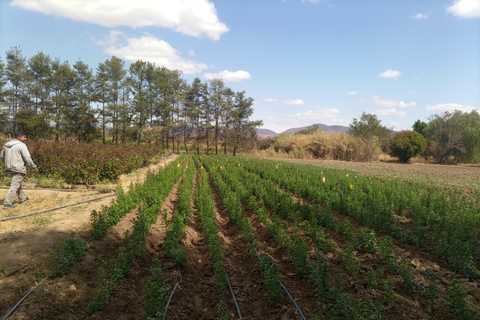
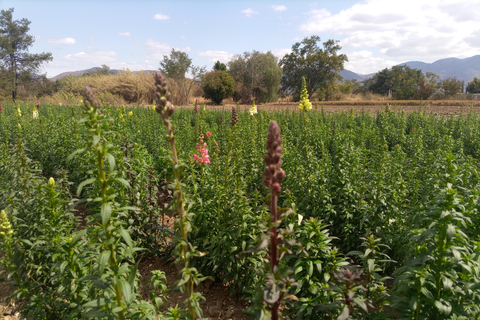
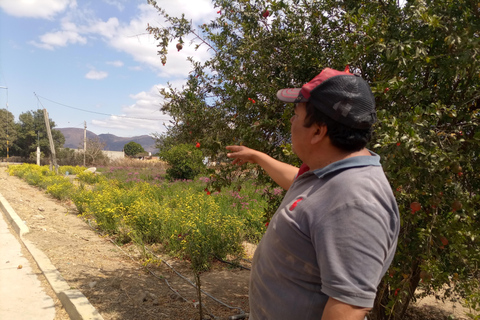
San Antonino is one of the main suppliers of flowers for altars throughout the state.
• Cock's Comb (Cock's Comb Flower).
• Mexican marigold.
• Artemisia: A white, aromatic flower that was traditionally used to accompany the marigold on altars.
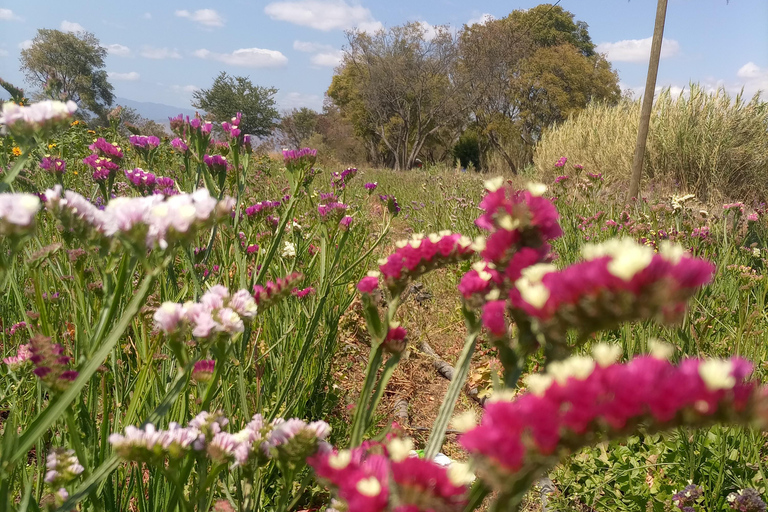
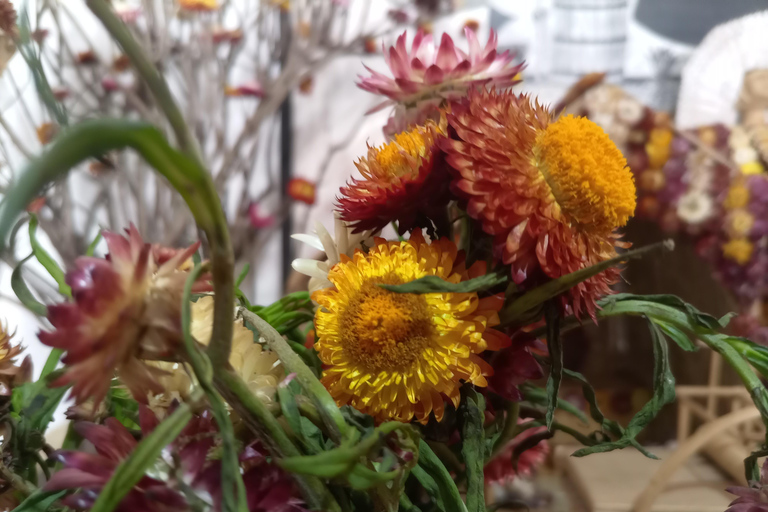
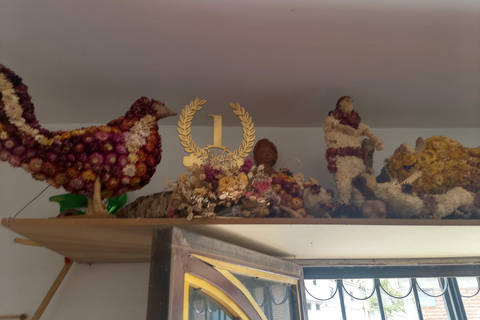
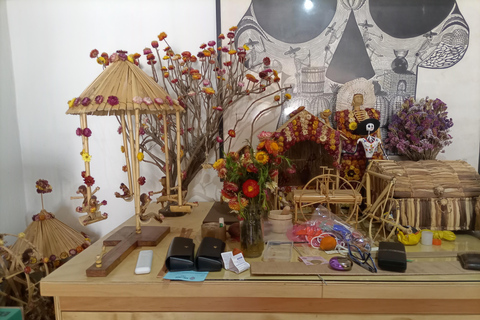
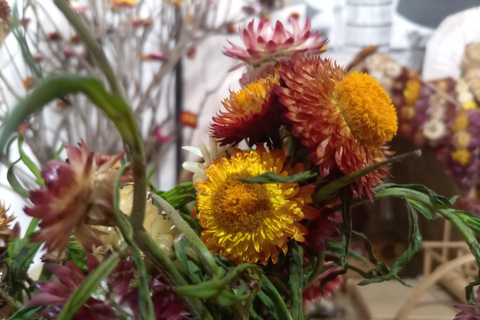
• The "Immortal Flower" (Everlasting)
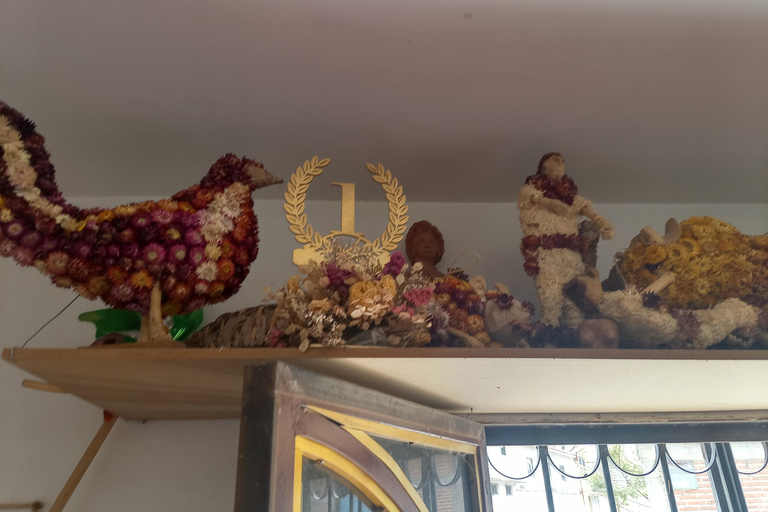
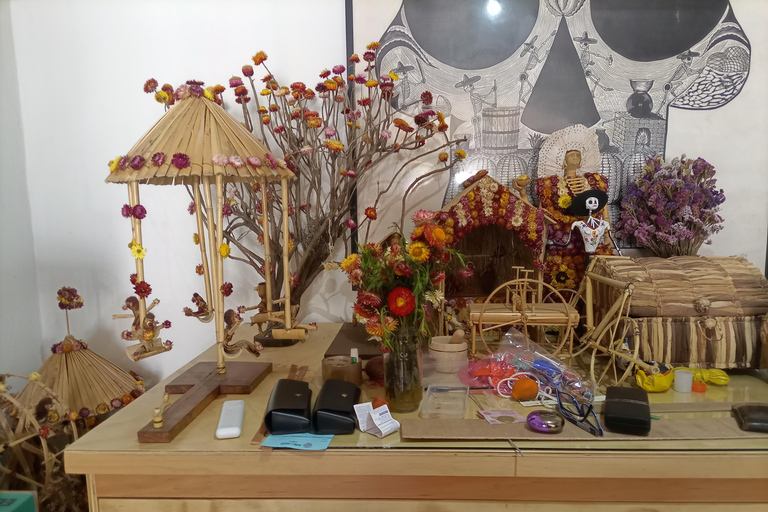
This is perhaps the most fascinating flower in the community because of its unique artisanal use. It's called that because, even after being cut and dried, it keeps its bright colors (cherry, yellow, pink, white) for years.
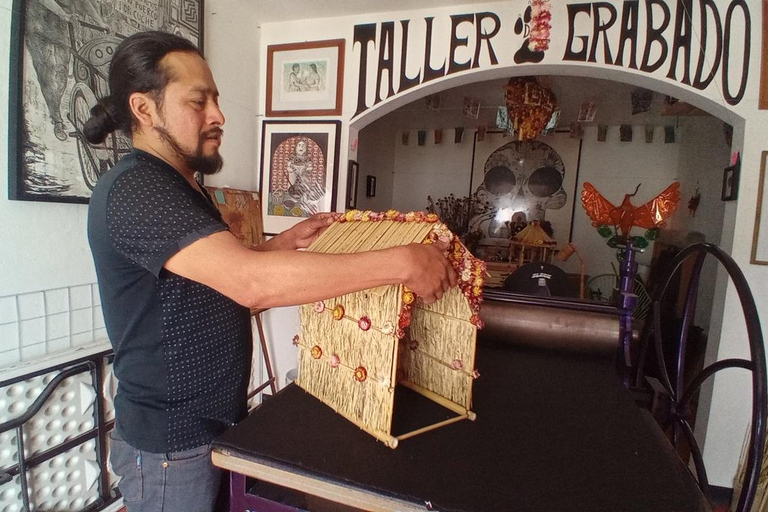
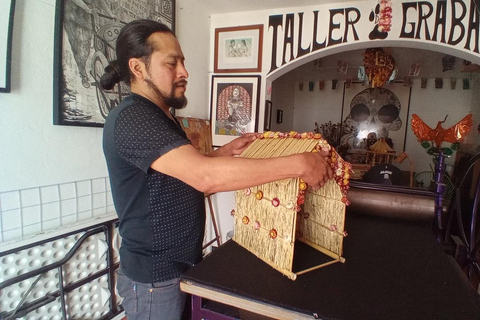
With it, artisan families (like the renowned Raymundo family) create three-dimensional figures on reed structures: virgins, saints, hearts, and angels used in the Calendas and Convites.
• Biushita: A small, white flower variety, highly prized for the fine details in these crafts.
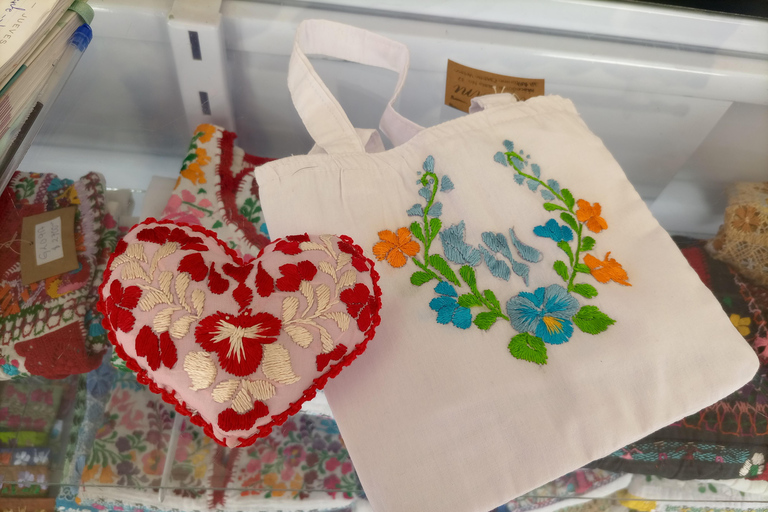
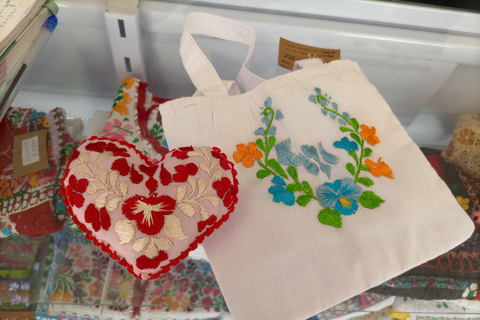
• Flowers for the San Antonino Embroidery
Although not all are grown on a large scale for sale as cut flowers, they are the "flowers" that give their textiles worldwide fame:
• Pansies: This is the main flower in the embroidery of the "Hazme si puedes" blouses and dresses. They represent elegance and the gradient technique in silk thread.
• Roses and Wild Flowers: The artisans capture the flora they see daily in their fields on their canvases, creating multicolored designs that are practically an embroidered botanical catalog.
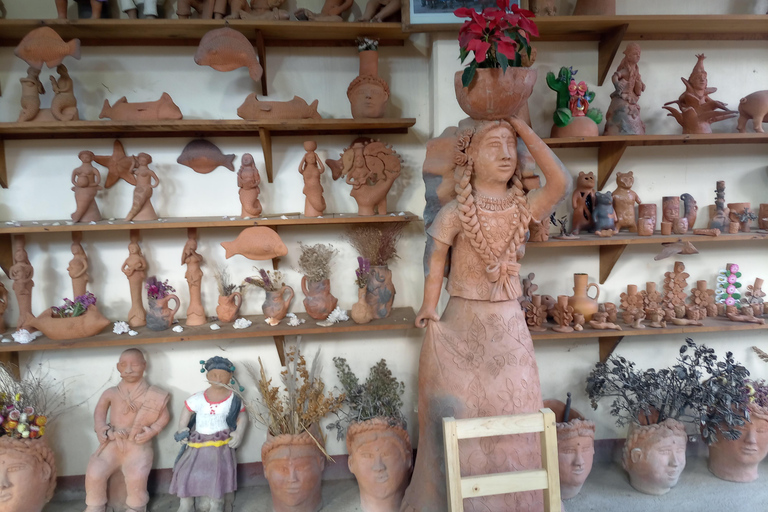
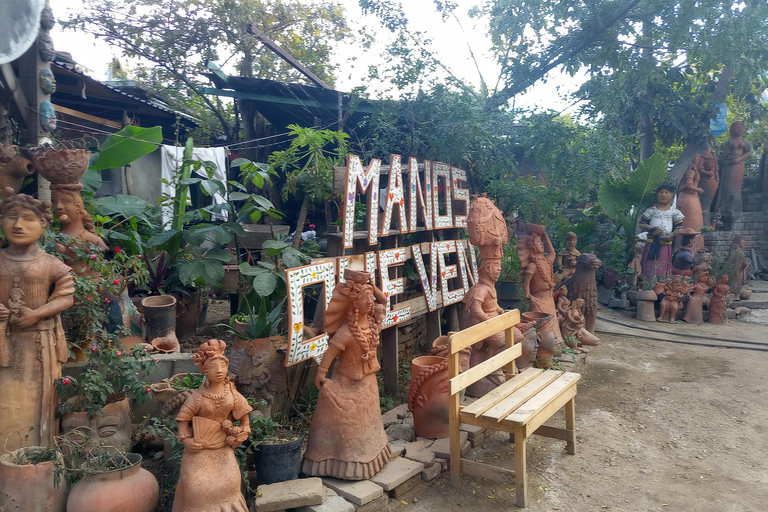
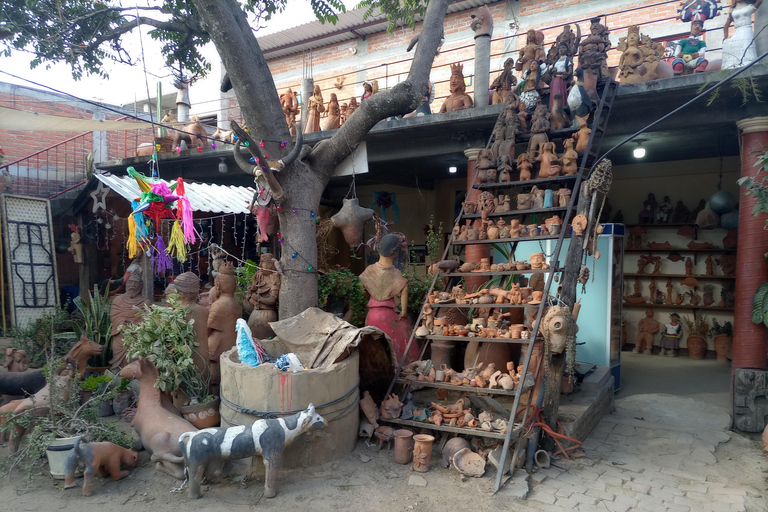
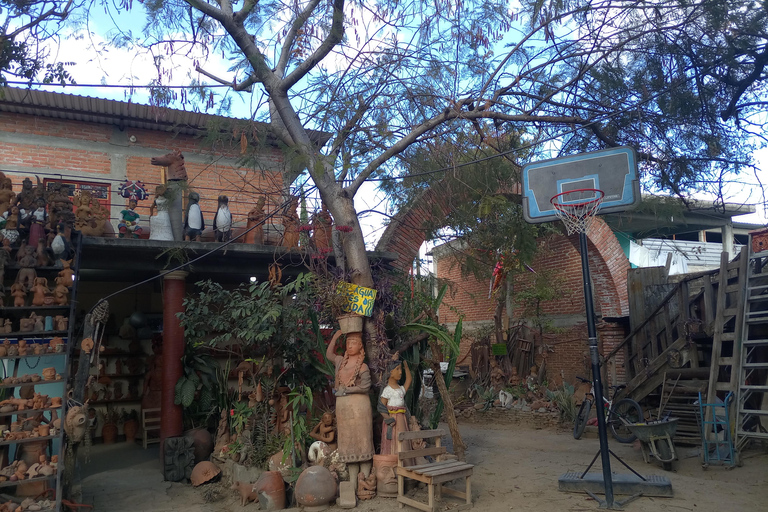
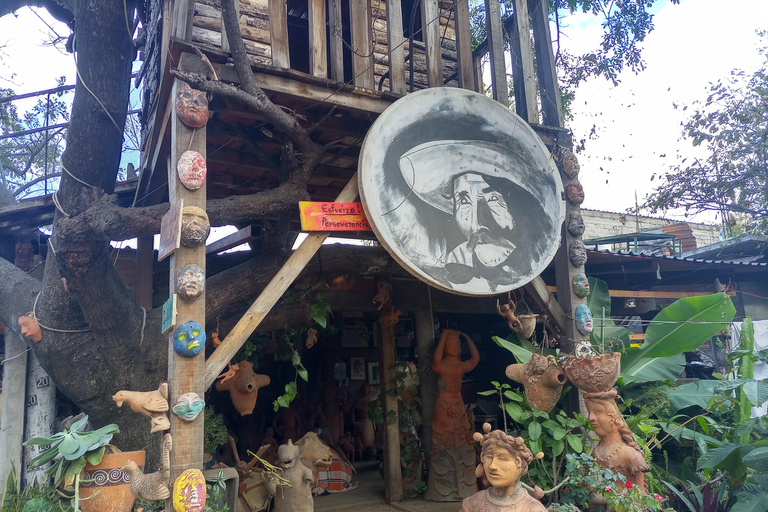
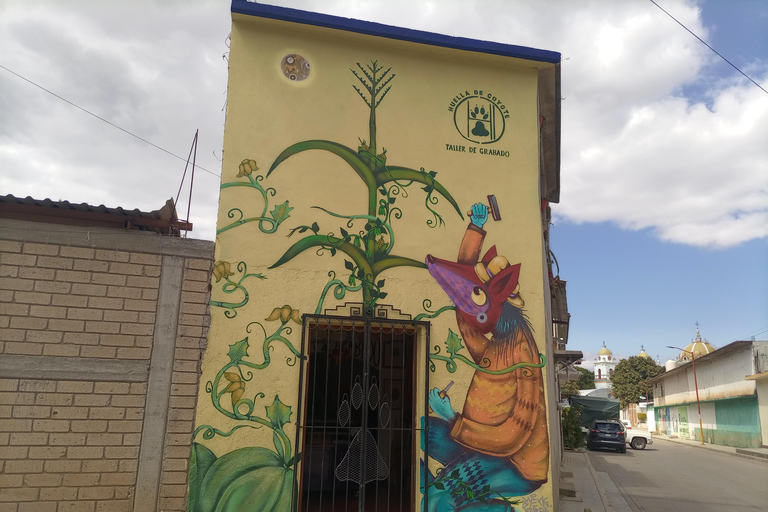
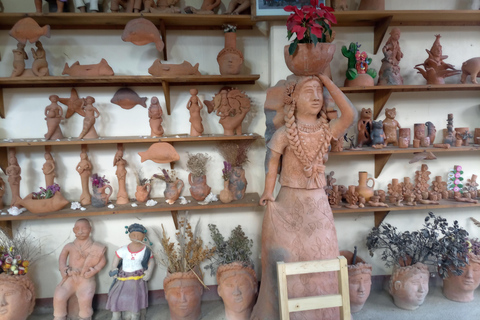
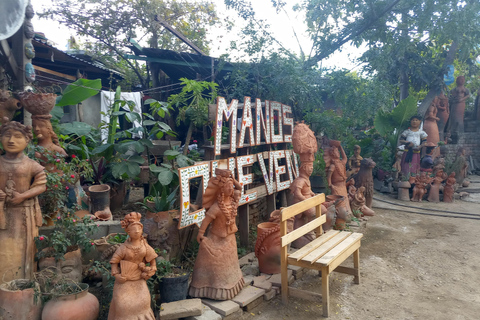
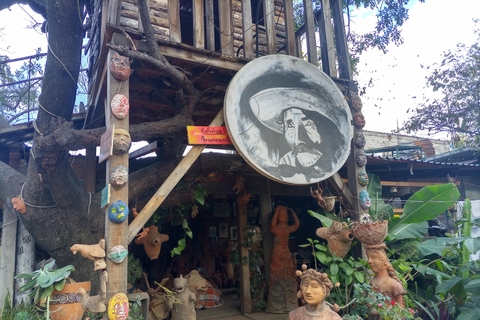
The "Manos que Ven" Workshop is one of the most iconic and moving artistic spaces in the state of Oaxaca. This workshop belongs to Grand Master José García Antonio, a craftsman who has become a symbol of resilience and mastery in Mexican folk art.
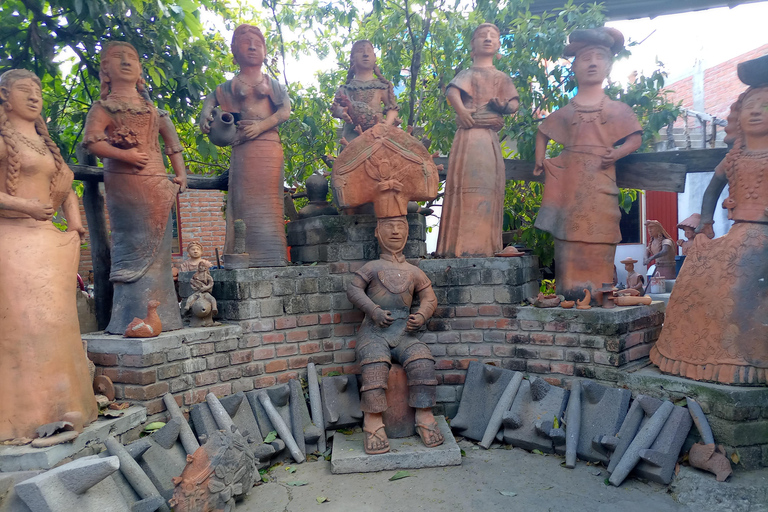
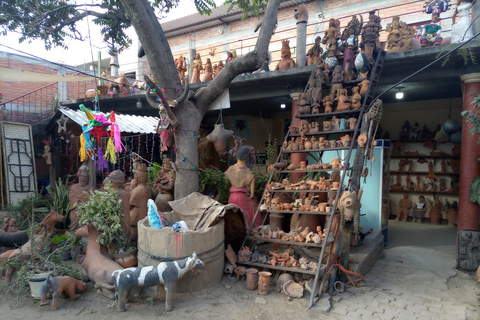
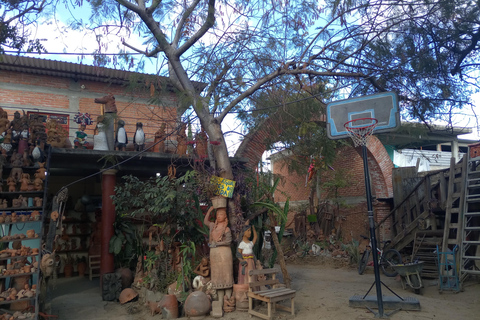
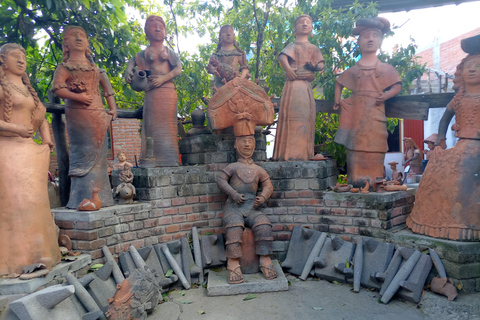
The workshop's name, "Manos que Ven" (Hands That See), refers to the condition of Maestro José García, who lost his sight completely over two decades ago due to glaucoma. Far from abandoning his craft, he developed the ability to 'see' through touch, continuing to create monumental sculptures in clay. The workshop specializes in working with red clay. Unlike the small, utilitarian pieces common in other regions, they create large-format sculptures here.
Their pieces are famous for the incredible decorative detail that imitates the traditional embroidery of San Antonino (like the pansies and flowers on local blouses).
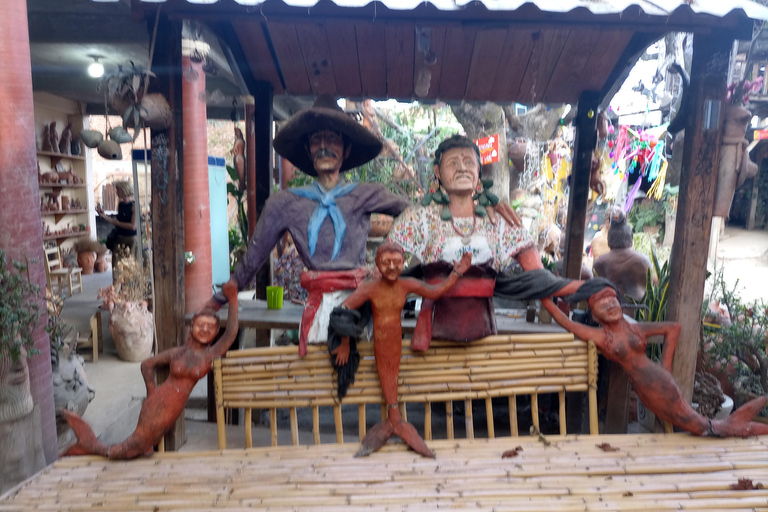
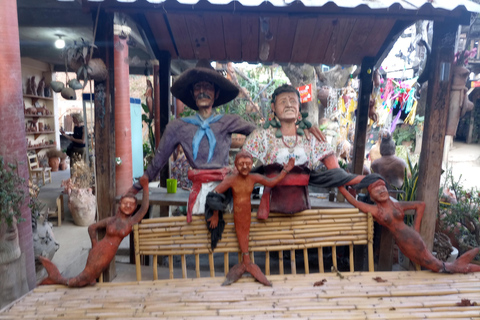
The works usually depict female figures, mermaids, fertility goddesses, and scenes from the daily life of indigenous peoples. Many of the pieces are inspired by the face of his wife, Mrs. Teresita Mendoza, who has been his companion and fundamental support in artistic creation.
José García Antonio has been awarded the title of Grand Master of Folk Art by the Banamex Cultural Promotion, and his work has been exhibited in museums and galleries worldwide. His pieces are highly valued by collectors due to the technical perfection and emotional charge that his creation process entails.
Faits saillants
- Check out the local market
- Rodolfo Morales Museum
- Hands that see, pottery
- Immortal flower, craftsmanship
- One-of-a-kind embroidery
Langues
INFORMATION IMPORTANTE
Purchases and tips are at your own expense
INCLUS
- Transport
- Trip coordinator
- Workshop tickets
- Community tours
NON INCLUS
- Tips
- Personal purchases
- Lunch
Quand dois-je réserver ?
Garantir la disponibilité du livre dans les plus brefs délais. Les réservations anticipées valent la peine d'être prises en considération, surtout si vous planifiez le voyage en haute saison, comme les jours fériés ou les fins de semaine.
Annulations
Cette excursion peut être annulée sans frais jusqu'à : heures d'annulation avant le début du voyage. Si vous l'annulez après les heures d'annulation ou si vous ne vous présentez pas à l'excursion, le prix total de l'activité vous sera toujours facturé. Tout retard à la prise en charge ou au départ sera considéré comme un retard.