Everest Base Camp Trek in Nepal for European Union Citizens
ID: GYG1422121-2171181
Catégorie:
Pays: Népal
Durée du projet:
14 jours
Description
Planning the Everest Base Camp Trek from the European Union? Learn about visas, permits, costs, the best seasons, packing tips, and everything EU citizens need for a successful trek in Nepal.
Why the Everest Base Camp Trek Appeals to European Travelers
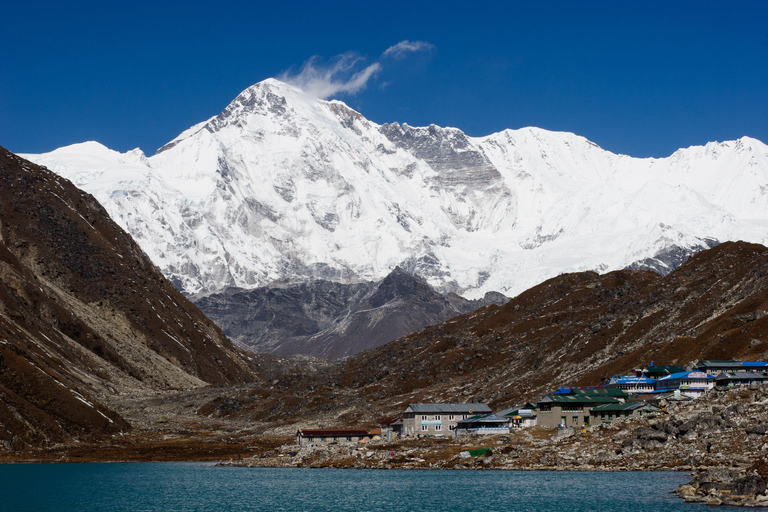
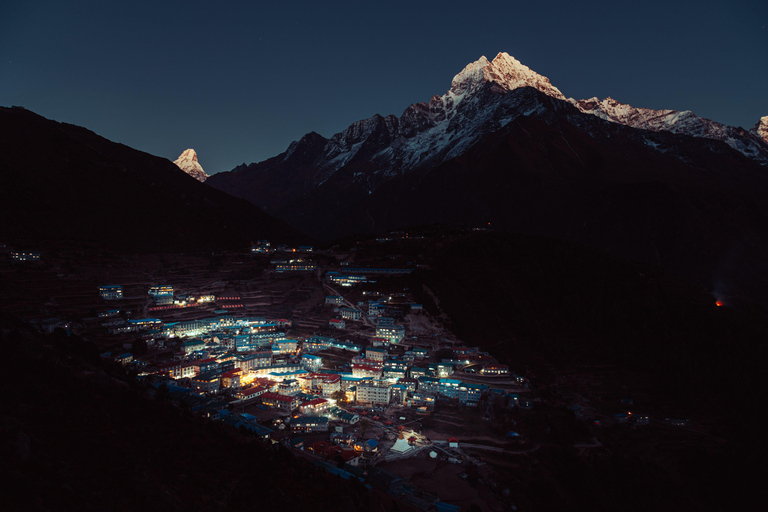
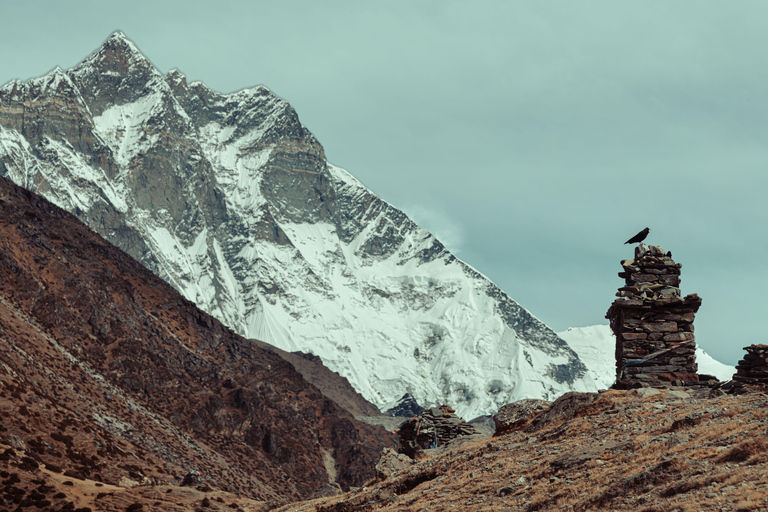
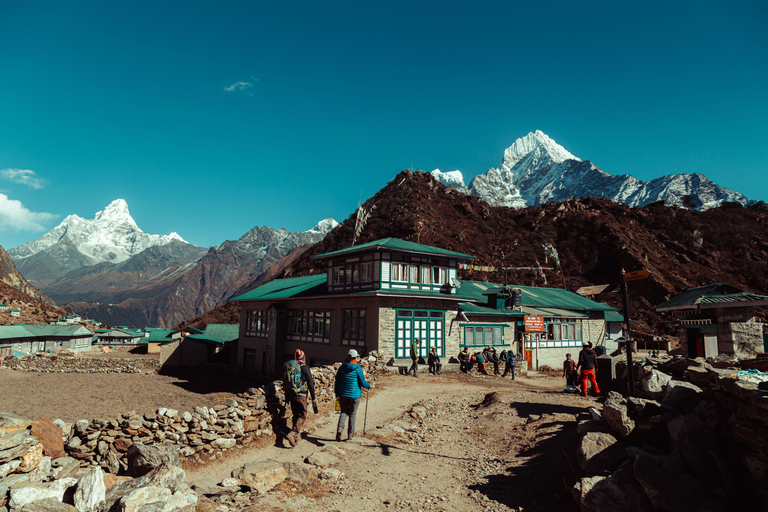
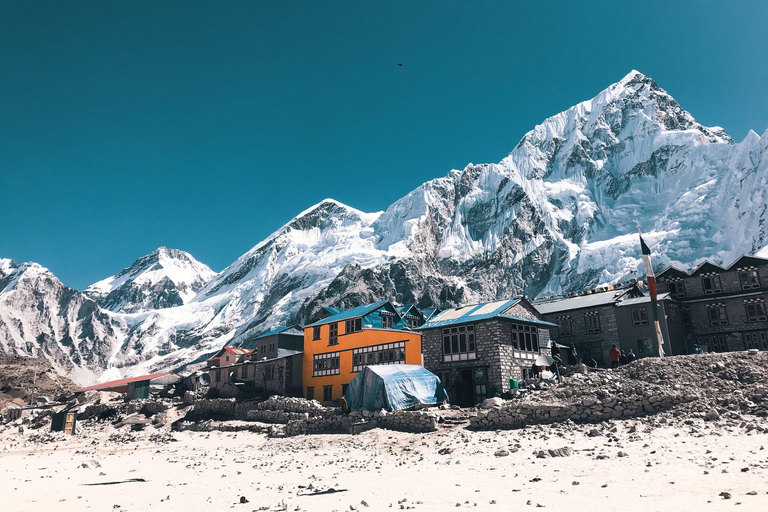
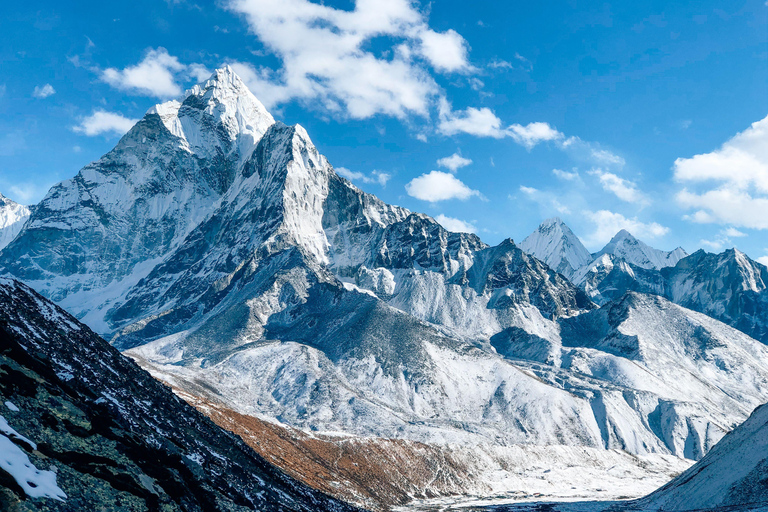
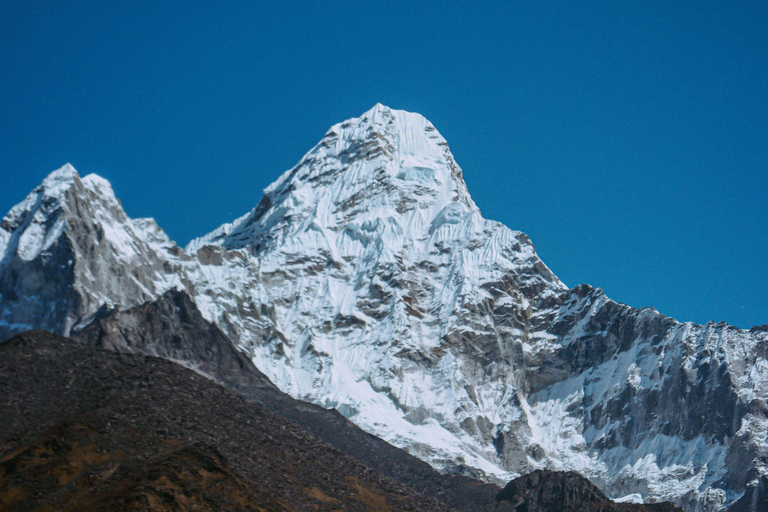
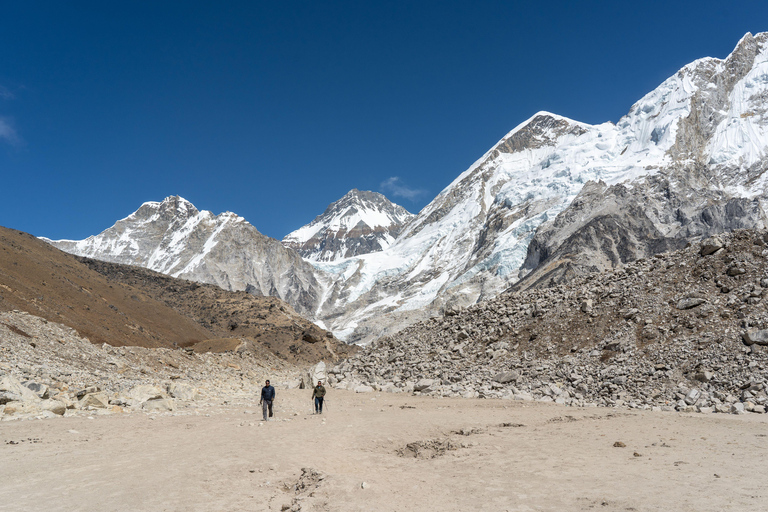
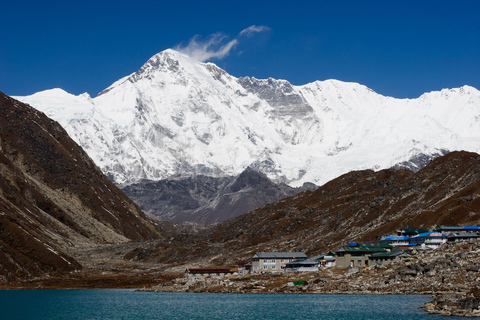
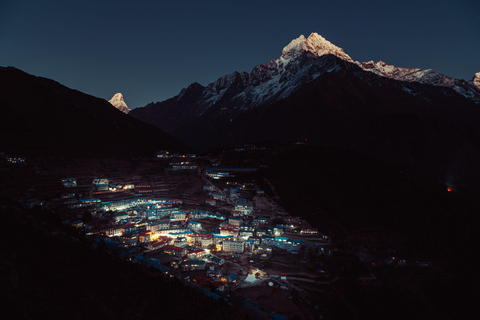
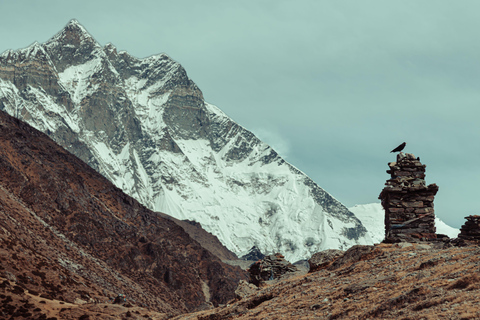
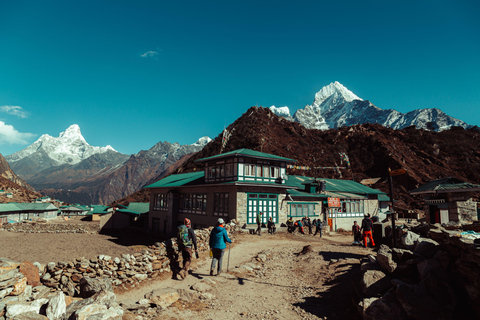
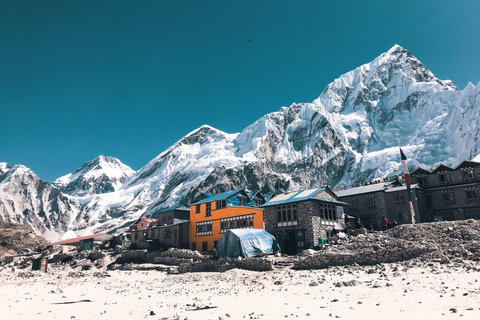
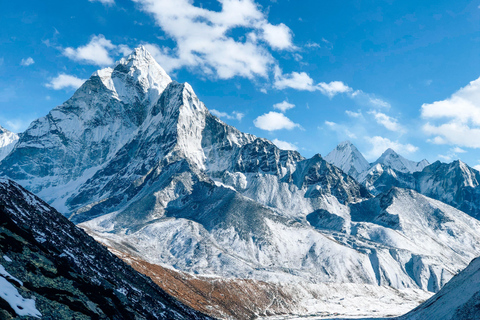
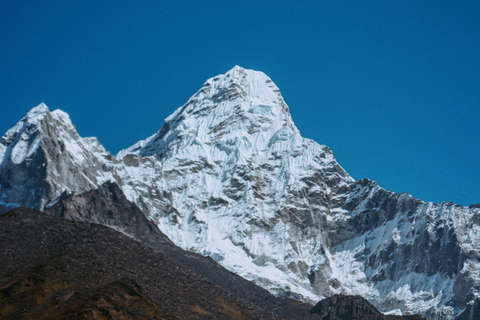
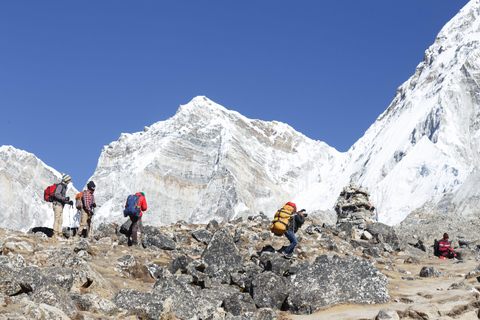
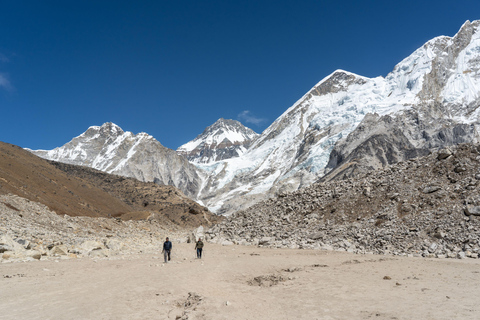
The Everest Base Camp Trek is one of the most popular trekking adventures among European travelers. It combines breathtaking Himalayan scenery, authentic Sherpa culture, and the opportunity to stand at the foot of Mount Everest. Along the route, trekkers cross suspension bridges, visit ancient Buddhist monasteries, and pass through charming mountain villages while enjoying spectacular views of snow-covered peaks.
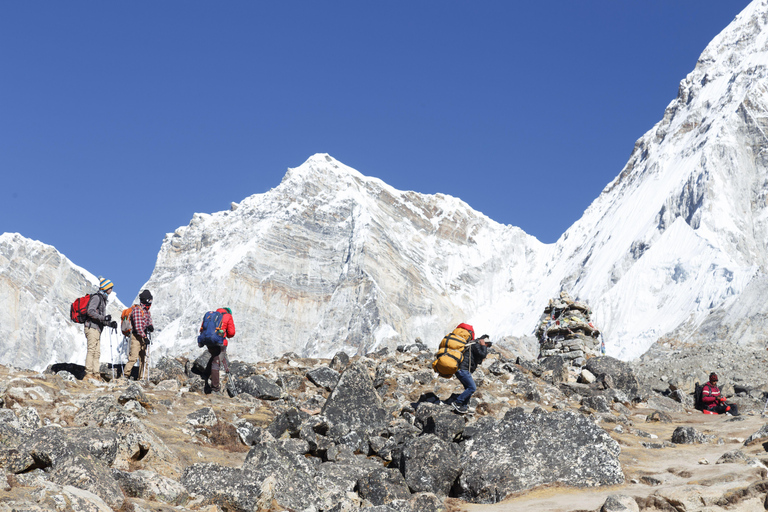
Another reason for its popularity is Nepal's excellent trekking infrastructure. Comfortable tea houses, experienced guides, well-marked trails, and regular flights to Lukla make the journey accessible for both experienced hikers and first-time trekkers. Whether you seek adventure, cultural discovery, or unforgettable mountain landscapes, the Everest region offers an experience that few destinations can match.
Do European Union Citizens Need a Visa to Visit Nepal?
Yes. Citizens of all European Union countries need a tourist visa to enter Nepal. Most travelers can obtain a Visa on Arrival at Tribhuvan International Airport in Kathmandu or apply online before departure.
Tourist visas are available for 15, 30, or 90 days, giving visitors flexibility based on their travel plans. Your passport should be valid for at least six months from your arrival date and have blank pages for immigration stamps.
Keep in mind that a tourist visa only allows entry into Nepal. Separate trekking permits are required to visit Everest Base Camp and other protected areas in the Khumbu region.
Entry Requirements for EU Nationals Before Traveling
European Union travelers should prepare all essential travel documents before flying to Nepal. A passport with at least six months of validity is required, and carrying passport-sized photographs can be useful for permits and other travel formalities.
Although Nepal has no mandatory vaccination requirements for most visitors, staying up to date with routine immunizations is recommended. Travel insurance that covers high-altitude trekking and emergency helicopter evacuation is strongly advised, as medical evacuations in the Himalayas can be costly.
It is also wise to carry printed and digital copies of your passport, insurance policy, flight details, hotel bookings, and emergency contacts throughout your trip.
Permits Required for the Everest Region
All trekkers visiting Everest Base Camp must obtain the necessary permits before entering the Khumbu region. These permits support conservation efforts, local communities, and trail maintenance.
The two required permits are the Sagarmatha National Park Entry Permit and the Khumbu Pasang Lhamu Rural Municipality Permit. Most trekking companies arrange these permits in advance, while independent trekkers can purchase them at designated checkpoints.
Permit checks are carried out along the trekking route, so you should keep them with you throughout the journey.
Faits saillants
- Stand at the Foot of Mount Everest
- Explore Sherpa Culture and Mountain Villages
- Walk Through Sagarmatha National Park
- Enjoy Stunning Himalayan Views
- Experience an Authentic Himalayan Adventure
Langues
INFORMATION IMPORTANTE
Visa Required: EU citizens need a Nepal tourist visa, available on arrival in Kathmandu or through the online application system.
Best Seasons: The ideal trekking periods are spring (March–May) and autumn (September–November) for clear skies and stable weather.
Fitness Preparation: The trek requires good physical fitness, as you will walk for several hours daily at high altitude.
Altitude Awareness: Proper acclimatization is essential to reduce the risk of altitude sickness above 3,000 meters.
Travel Insurance: Make sure your insurance covers high-altitude trekking and emergency helicopter evacuation.
Required Permits: Trekkers need the Sagarmatha National Park Permit and Khumbu Pasang Lhamu Rural Municipality Permit.
Pack Smart: Bring warm layers, comfortable trekking boots, a sleeping bag, personal medicine, and essential hiking gear.
Cash Availability: Carry enough Nepalese currency, as ATMs and card payments are limited in remote mountain areas.
INCLUS
- Airport transfers in Kathmandu before and after the trek
- Accommodation in Kathmandu as mentioned in the itinerary
- Domestic flights between Kathmandu and Lukla (or Ramechhap and Lukla depending on flight schedules)
- Experienced English-speaking trekking guide
- Porter service to carry trekking luggage
- Guide and porter wages, meals, accommodation, and insurance
- Sagarmatha National Park Entry Permit
- Khumbu Pasang Lhamu Rural Municipality Permit
- Accommodation in tea houses during the trek
- Breakfast, lunch, and dinner during the trekking period
- Necessary trekking paperwork and logistical support
- First aid support and basic trekking equipment assistance
- Government taxes and company service charges
NON INCLUS
- International flights from Europe to Nepal and return tickets
- Nepal tourist visa fees
- Travel insurance covering high-altitude trekking and helicopter evacuation
- Personal expenses such as snacks, drinks, Wi-Fi, and charging facilities
- Extra accommodation and meals in Kathmandu beyond the package itinerary
- Personal trekking gear such as boots, jackets, sleeping bags, and backpacks
- Tips for guides, porters, and trekking staff
- Alcoholic beverages and other personal purchases
- Emergency evacuation or medical expenses not covered by insurance
- Additional costs caused by flight delays, weather conditions, or unforeseen circumstances
Quand dois-je réserver ?
Garantir la disponibilité du livre dans les plus brefs délais. Les réservations anticipées valent la peine d'être prises en considération, surtout si vous planifiez le voyage en haute saison, comme les jours fériés ou les fins de semaine.
Annulations
Cette excursion peut être annulée sans frais jusqu'à : heures d'annulation avant le début du voyage. Si vous l'annulez après les heures d'annulation ou si vous ne vous présentez pas à l'excursion, le prix total de l'activité vous sera toujours facturé. Tout retard à la prise en charge ou au départ sera considéré comme un retard.