From Valletta: San Anton Palace, Rabat, and Mdina Tour
ID: GYG1489923-2276084
Catégorie:
Pays: Pérou
Durée du projet:
12:00 horaires
Description
Explore the San Anton Gardens, Rabat, and Mdina on a guided tour from Valletta. Learn about Malta's history and culture as you visit the Catacombs of St. Paul and the Silent City of Mdina.
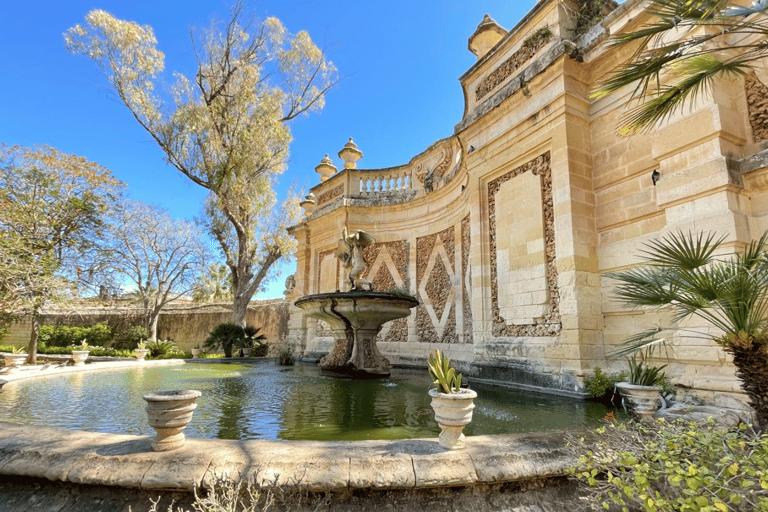
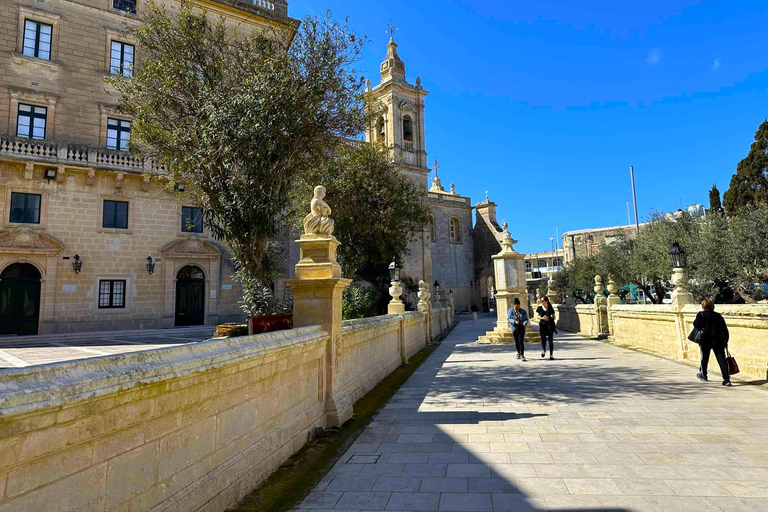
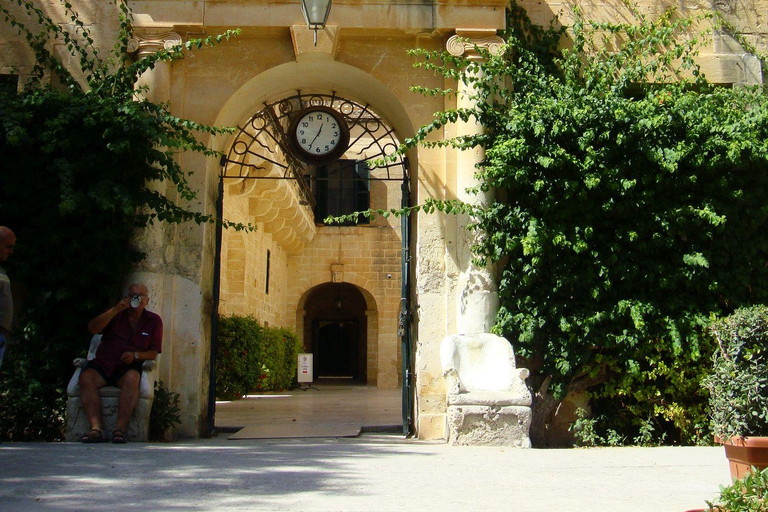
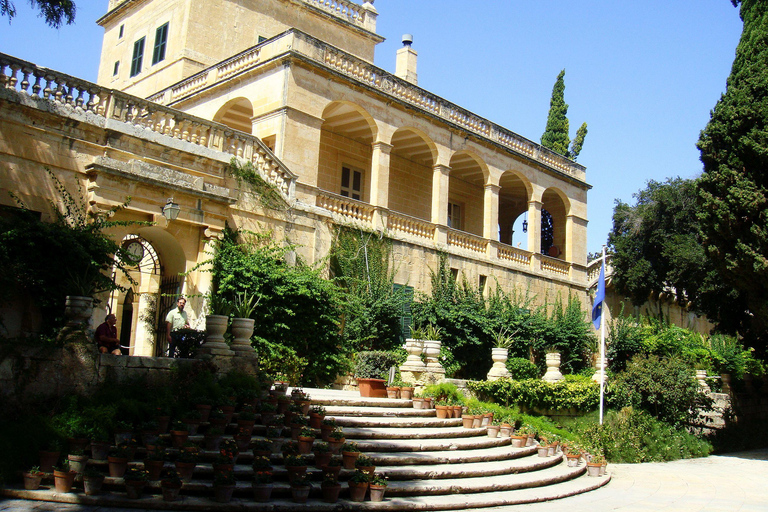
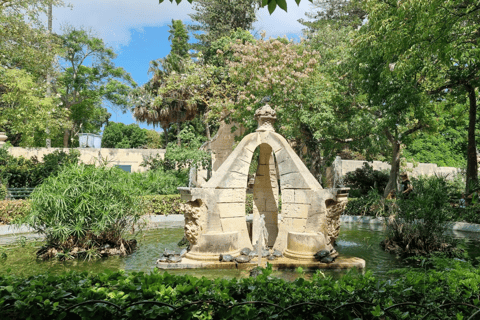
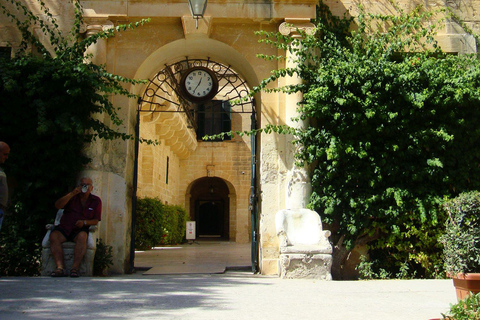
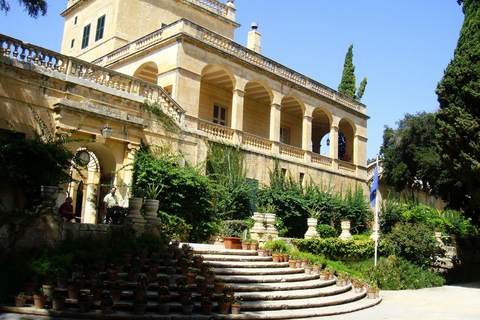
Begin your tour at San Anton Palace, the official residence of the President of Malta. Originally built in the early 17th century as a country villa for Antoine de Paule, a knight of the Order of St. John, it was expanded into a palace following de Paule’s election as Grand Master in 1623.
The palace was used as a residence by subsequent Grand Masters, being enlarged a number of times in the process. It was the headquarters of the rebel National Assembly during the uprising of 1798–1800, and it later became a residence for the Civil Commissioners, Governors, and Governors-General of Malta. It has been the official residence of the President since the office was created in 1974.
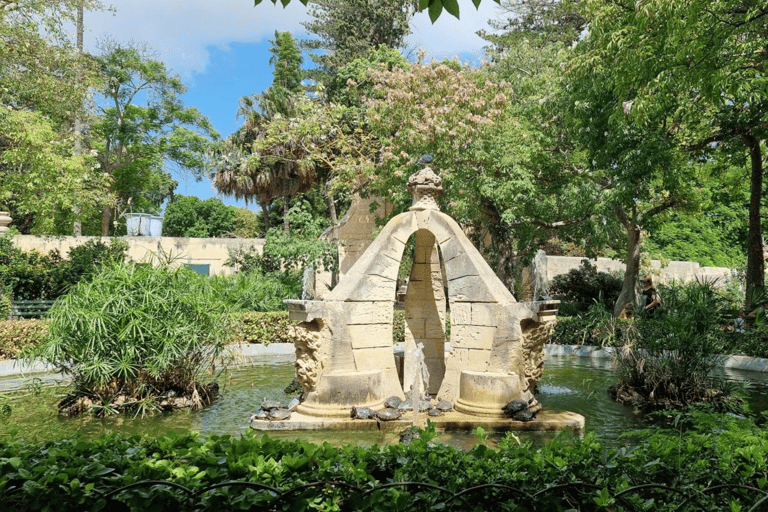
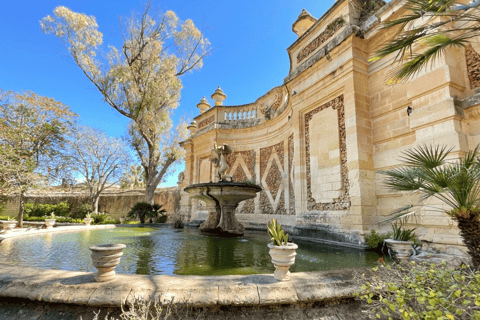
The palace is surrounded by the extensive San Anton Gardens, parts of which have been open to the public since 1882. During this tour, first visit this garden and then continue to the next stop, Rabat.
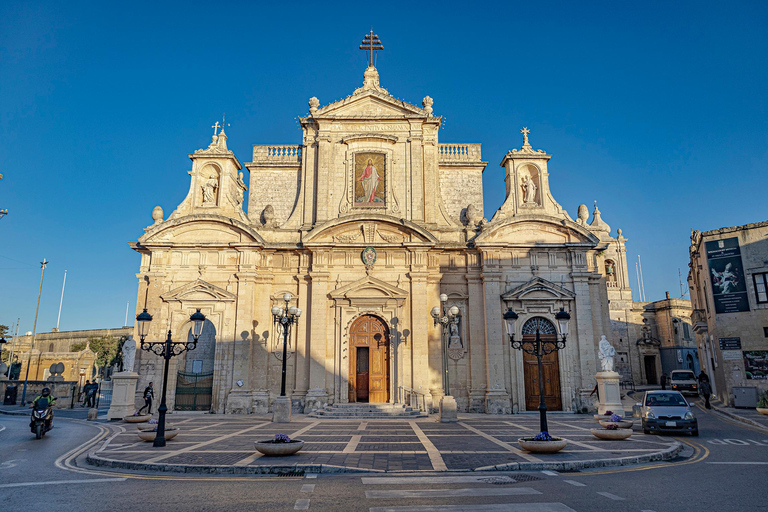
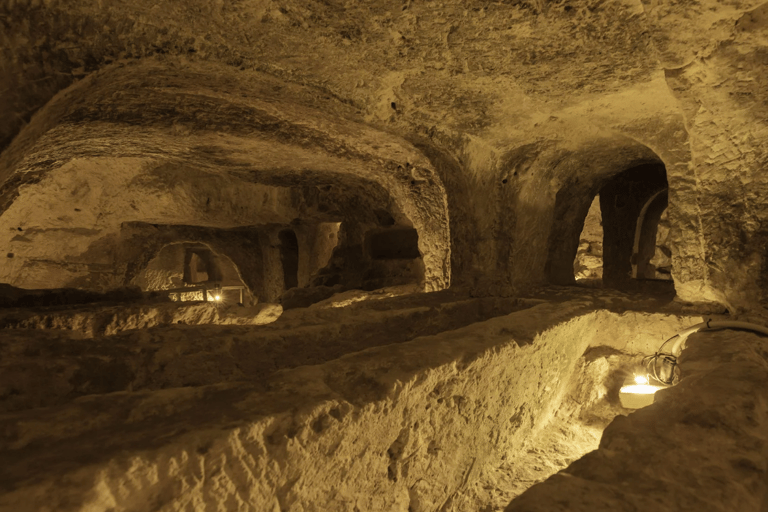
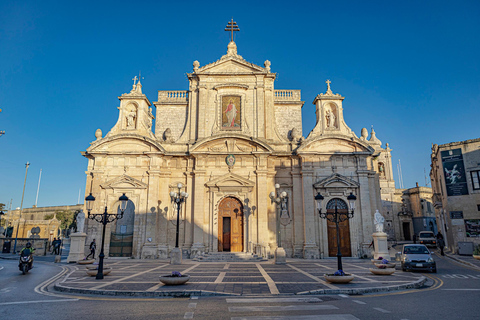
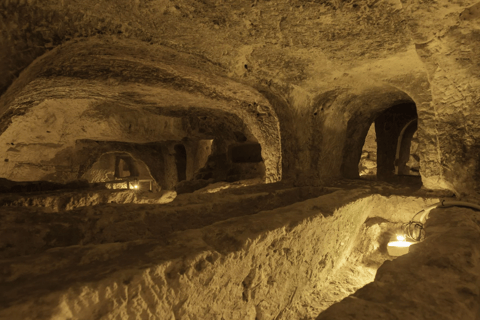
Rabat is a town in the Northern Region of Malta. The name of the town is derived from the Arabic word for ‘suburb’ as it was the suburb of the old capital Mdina. Rabat is home to the famous Catacombs of St. Paul. These catacombs were used in Roman times to bury the dead as, according to Roman culture, it was unhygienic to bury the dead in the city Mdina and parts of Rabat were built on top of an ancient Roman city.
The Catacombs of St. Paul are now looked after by Heritage Malta. The part accessible from the Parish church which is dedicated to the same Saint was where, according to tradition and as recorded in the Bible, St. Paul stayed for three months when he was shipwrecked on the island in 60 A.D.
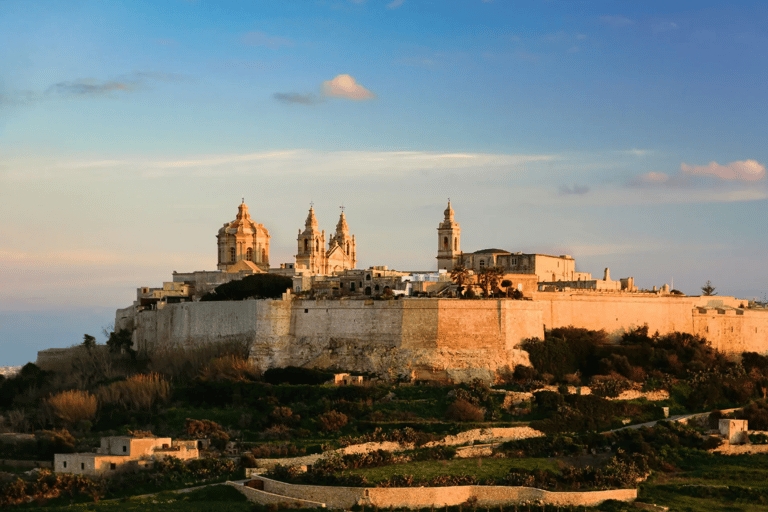
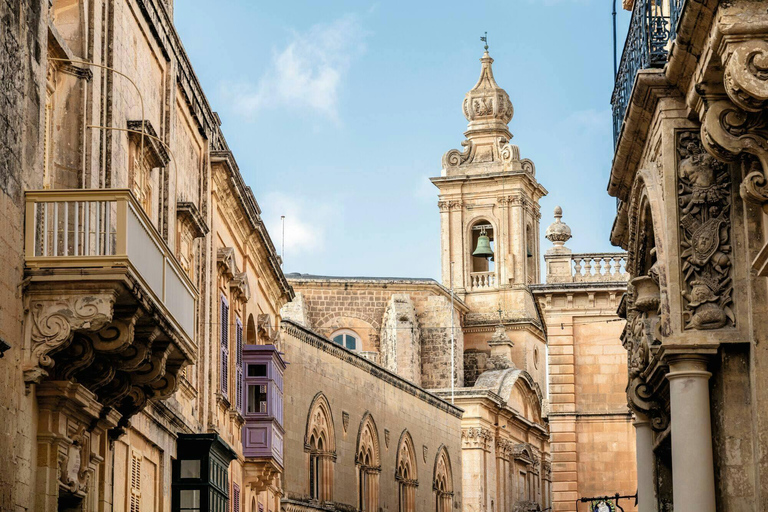
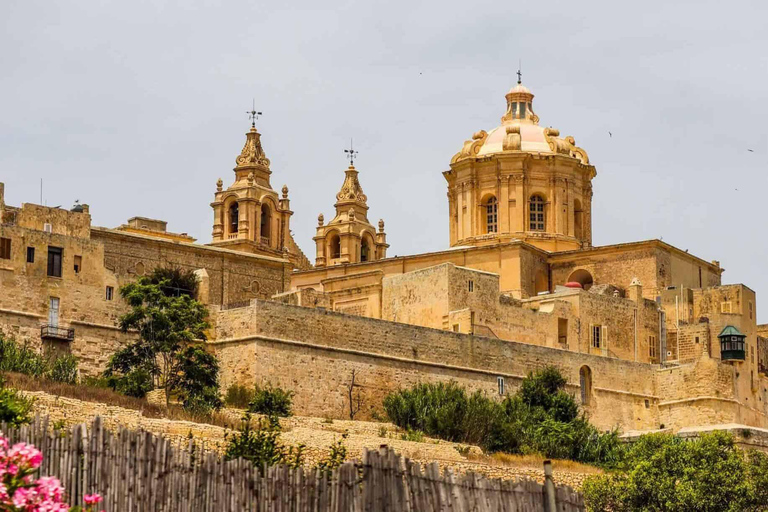
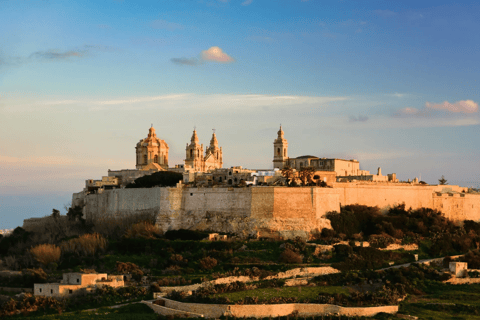
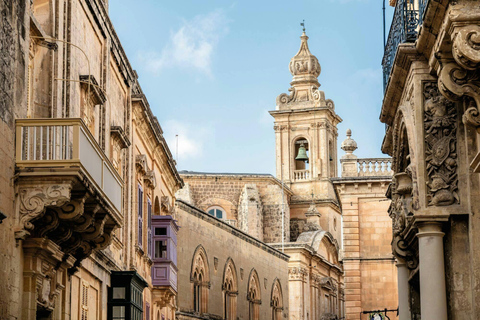
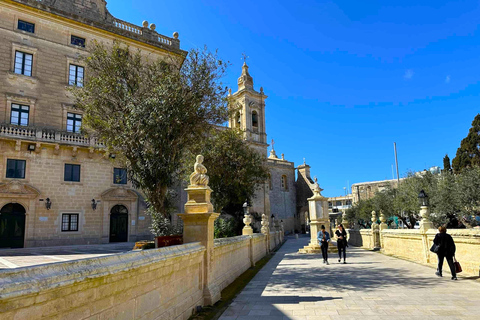
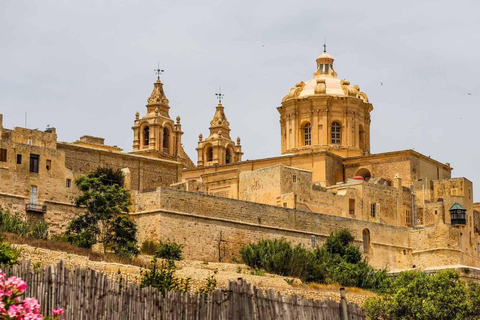
Your next and final stop is Mdina. Mdina, also known by its titles Città Vecchia or Città Notabile, is a fortified city in the Northern Region of Malta, which served as the island’s capital from antiquity to the medieval period. The city is still confined within its walls and has a population of just under 300.
The city was founded as Maleth in around the 8th century BC by Phoenician settlers, and was later renamed Melite by the Romans. Ancient Melite was larger than present-day Mdina, and it was reduced to its present size during the Byzantine or Arab occupation of Malta. During the latter period, the city adopted its present name, which derives from the Arabic word medina.
The city remained the capital of Malta throughout the Middle Ages, until the arrival of the Order of St. John in 1530, when Birgu became the administrative center of the island. Mdina experienced a period of decline over the following centuries, although it saw a revival in the early 18th century. At this point, it acquired several Baroque features, although it did not lose its medieval character.
Mdina remained the center of the Maltese nobility and religious authorities, but it never regained its pre-1530 importance, giving rise to the popular nickname the “Silent City”. It is on the tentative list of UNESCO World Heritage Sites, and it is now one of the main tourist attractions in Malta.
Faits saillants
- Explore the San Anton Gardens, open to the public since 1882
- Visit Rabat and see the famous Catacombs of St. Paul
- Discover the history of Mdina, the former capital of Malta
- Learn about the history of Malta from your guide
- Enjoy a convenient transfer from Valletta
Langues
INCLUS
- Visit to San Anton Palace and Gardens
- Visit to Rabat
- Visit to Mdina
- Live tour guide
Quand dois-je réserver ?
Garantir la disponibilité du livre dans les plus brefs délais. Les réservations anticipées valent la peine d'être prises en considération, surtout si vous planifiez le voyage en haute saison, comme les jours fériés ou les fins de semaine.
Annulations
Cette excursion peut être annulée sans frais jusqu'à : heures d'annulation avant le début du voyage. Si vous l'annulez après les heures d'annulation ou si vous ne vous présentez pas à l'excursion, le prix total de l'activité vous sera toujours facturé. Tout retard à la prise en charge ou au départ sera considéré comme un retard.